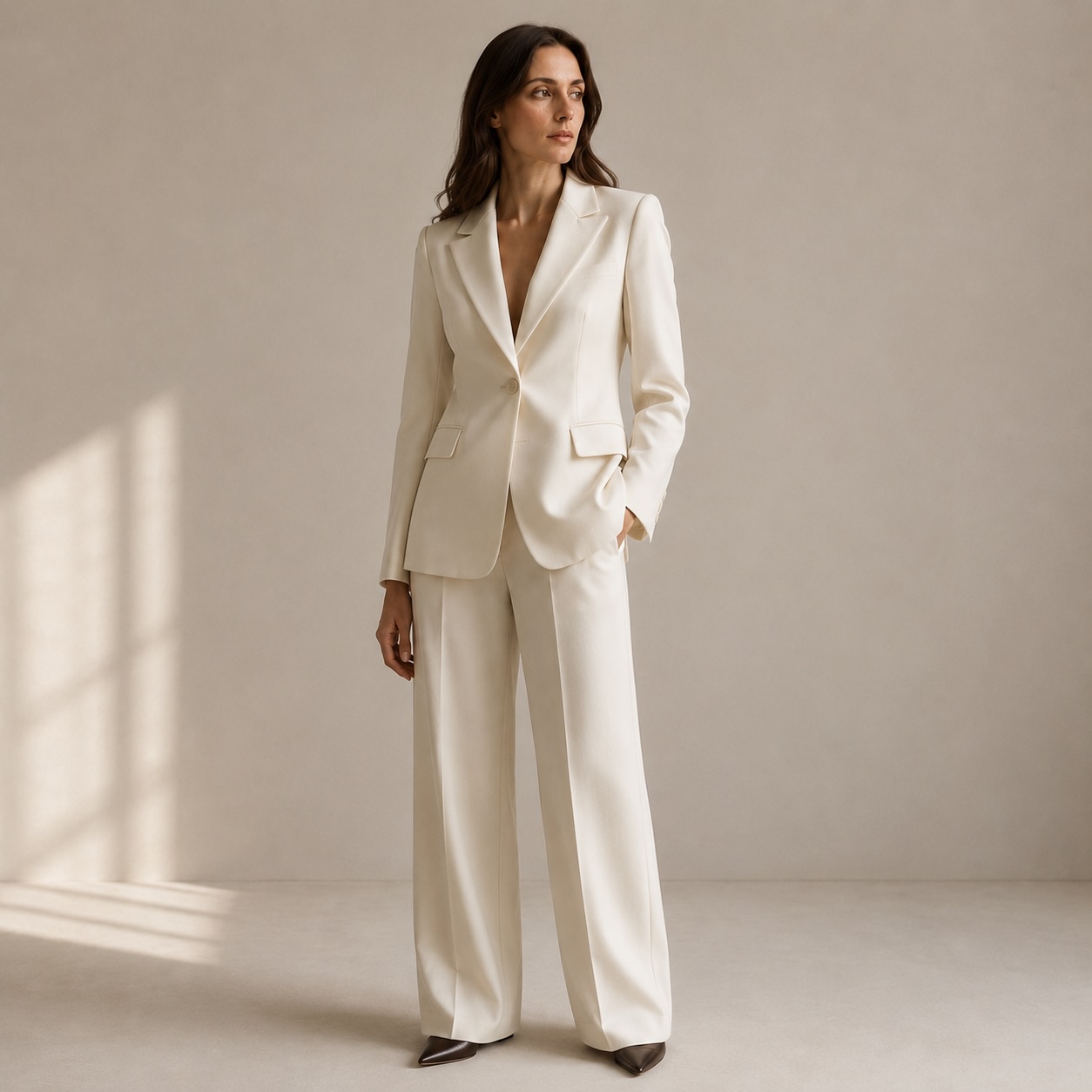
Some clothing becomes difficult to wear long before it wears out.
The fabric may still look fine. The seams may still hold. Yet something starts feeling off. The blazer feels too oversized. The trousers feel too wide or narrow. The cropped length that once felt modern starts limiting the rest of the wardrobe.
This is usually blamed on trends. More often, the problem starts with the cut itself.
The clothes that continue working for years tend to share the same qualities. The proportions feel controlled instead of exaggerated. They work across settings instead of depending on a specific styling formula. They support the wardrobe instead of competing with it.
When the cut is moderate, clothing remains easy to wear. When the appeal depends mostly on novelty, the decline starts much earlier.
Why the Cut Matters
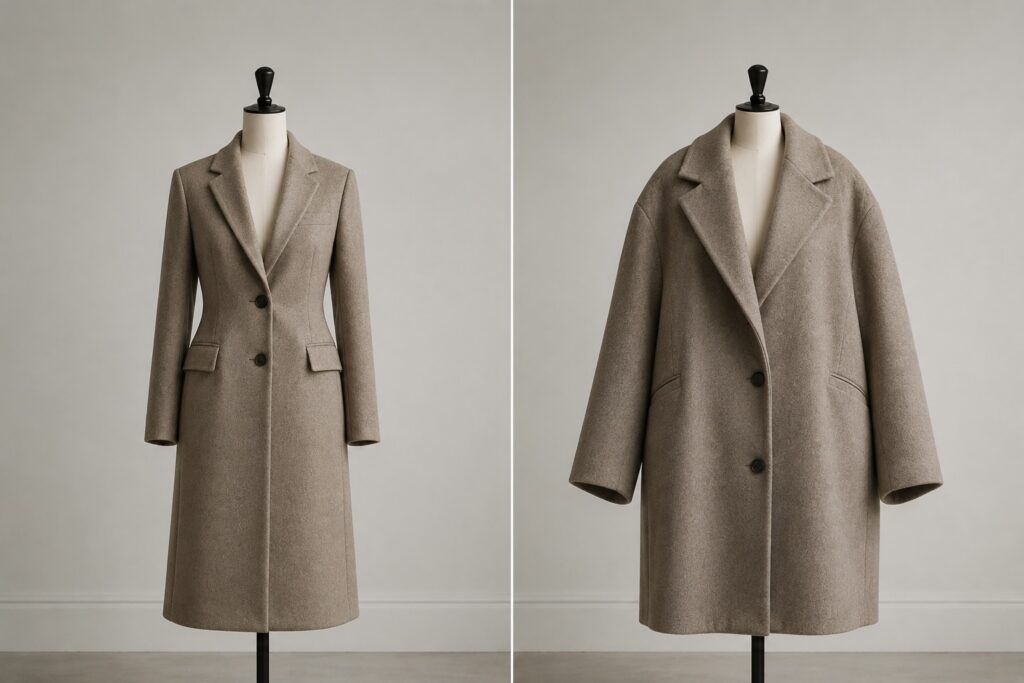
The cut of clothing shapes the entire impression before fabric or details are even noticed.
It determines whether clothing feels polished or awkward, flexible or limiting, current or heavily tied to a trend cycle.
This is why two garments made from similar materials can age very differently in a wardrobe. One continues working naturally year after year. The other becomes harder to reach for after a short period of time, even if it still technically fits.
Most clothing does not become unwearable overnight. The shift is gradual. The proportions begin disrupting the rest of the wardrobe instead of supporting it.
The Clothes That Last the Longest
The clothes that age best usually avoid extremes. Very oversized cuts, sharp tapering, exaggerated volume, and dramatic proportions tend to belong to shorter fashion moments.
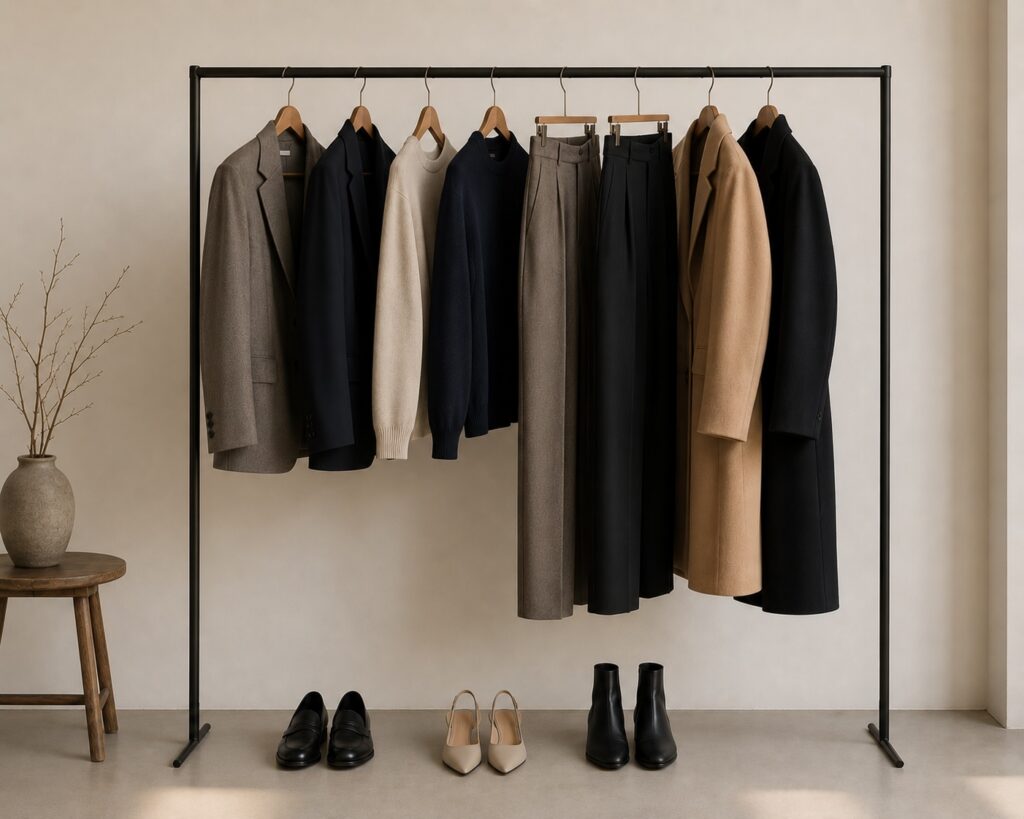
Blazers with controlled shoulders, trousers with moderate width, and coats with substantial but restrained structure usually remain wearable longer because they integrate more naturally across changing styles and settings.
These pieces continue working because they leave room for flexibility around them. Shoes, outerwear, knitwear, and bags can shift without disrupting the outfit.
A wardrobe functions more easily when the pieces work naturally together.
Why Extreme Cuts Fade Faster
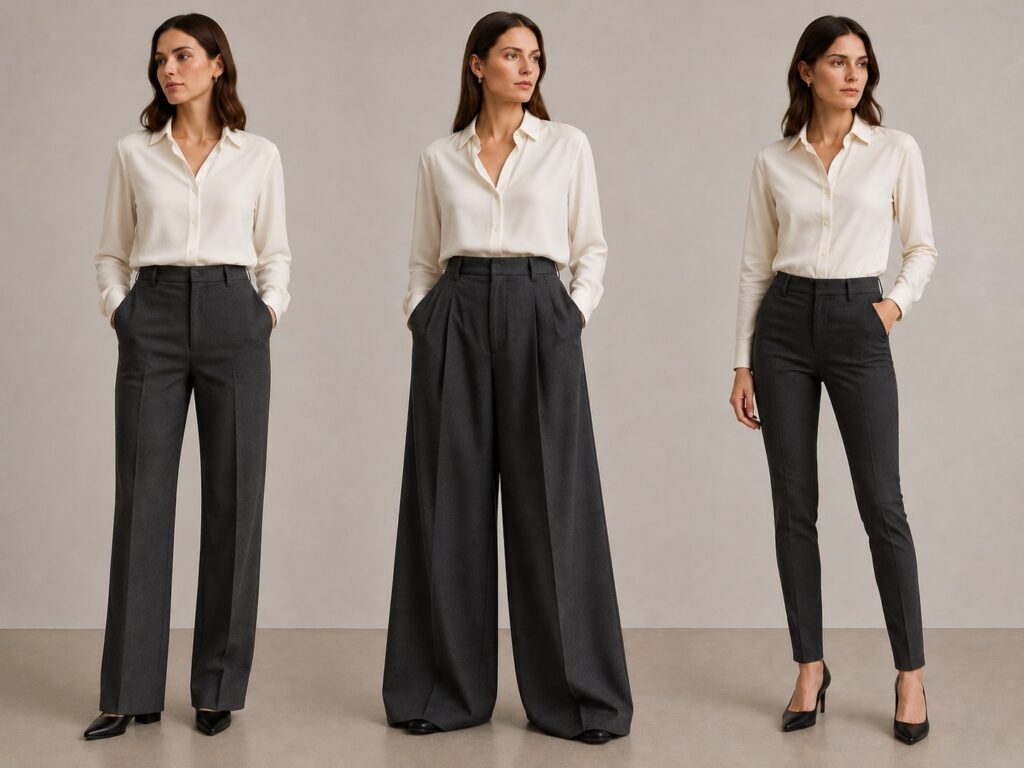
Extreme silhouettes create immediate visual impact. That is often the entire appeal.
Very oversized blazers, sharply cropped jackets, exaggerated shoulders, ultra-wide trousers, and aggressively fitted cuts often depend on contrast to feel interesting. Once that contrast becomes familiar, much of the effect disappears.
Some directional pieces shape broader fashion for years. Most do not.
Many exaggerated cuts stop feeling convincing with repeated wear, especially in professional wardrobes where clothing needs to work across years, settings, and daily use.
The more attention a garment demands from shape alone, the narrower its lifespan usually becomes. That does not mean long-lasting clothing must feel plain.
Distinctive Is Different From Trend-Driven
Clothing does not need to be plain to last.
Some of the strongest long-term pieces are highly recognizable. The difference is that the interest comes from precision rather than exaggeration.
The shoulder sits correctly. The trouser length feels intentional. The volume feels controlled rather than oversized for effect.
These details create presence without locking the garment into a narrow era-specific style.
This is one reason many expensive clothes disappoint over time. The fabric may be excellent and the construction may be well executed, yet the cut depends too heavily on a specific trend moment. Once that moment passes, the piece becomes harder to wear naturally.
When Clothing Starts Fighting the Wardrobe
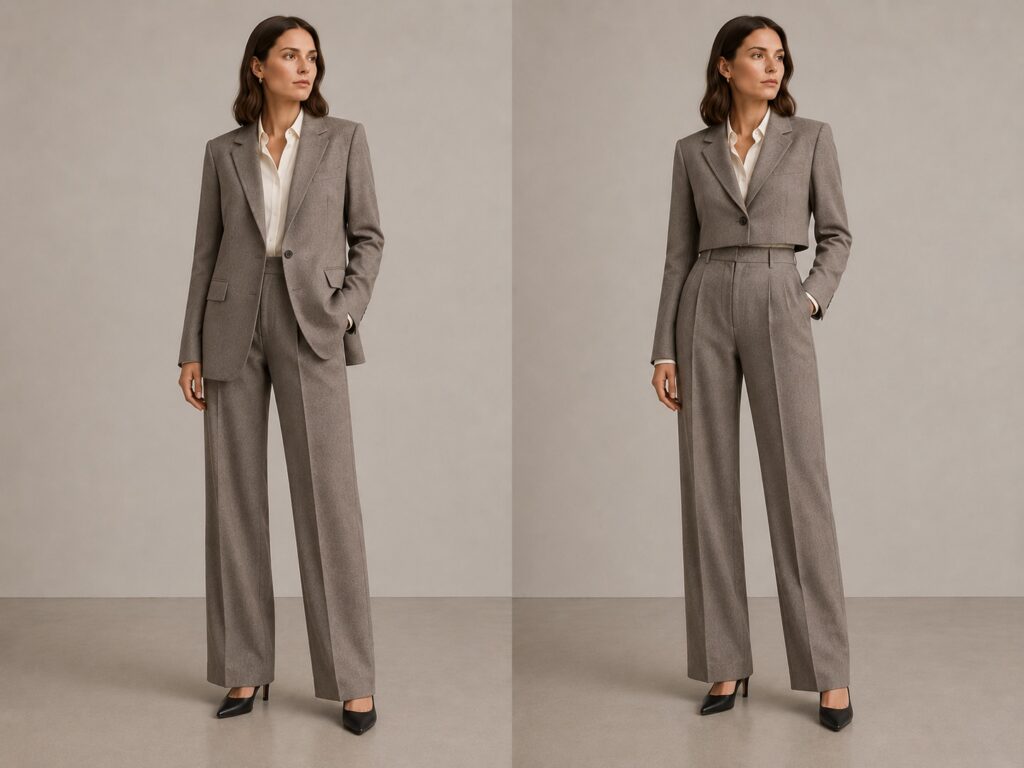
The best pieces simplify the rest of the wardrobe around them.
Clothing with restrained proportions works naturally with different shoes, coats, knitwear, and accessories. Outfits come together with less adjustment because the proportions cooperate.
Extreme cuts often create the opposite effect. Outerwear becomes harder to layer. Shoes only work with some pieces. Bags begin feeling visually disconnected.
Over time, these pieces are usually worn less.
A wardrobe works best when clothing supports the rest of the wardrobe instead of requiring constant correction around it.
How to Evaluate a Cut
The easiest way to evaluate clothing is to imagine wearing it repeatedly instead of seeing it once in a styled campaign.
Look at the garment without the styling around it:
- Does the blazer still feel natural without trend-driven accessories?
- Do the trousers still work with simple shoes?
- Does the length feel intentional rather than dramatic?
- Would the piece still integrate easily if fashion shifted toward narrower or wider cuts?
The clothing with the greatest longevity usually feels visually stable rather than visually aggressive.
That stability is what allows clothing to survive repeated wear without becoming tiring.
Investment Recommendations
Tailored Coats
Toteme Classic Doublé Wool Coat – long, softened tailoring with subtle volume that still feels restrained. Modern without feeling exaggerated.
Max Mara ‘Manuela’ Icon Coat – fluid wrap construction with controlled drape and understated shape. Relaxed, polished, and easy to wear repeatedly.
Loro Piana Maria Coat – soft textured outerwear with gentle structure and quieter presence than sharper tailored coats.
The Row Malika Wool-Blend Coat – elongated tailoring and softened structure create a refined silhouette without excessive volume or rigidity.
Theory Belted Double Faced Wool Cashmere Coat – clean proportions, softer shoulders, and practical length. Understated tailoring that integrates easily into professional wardrobes.
Trousers
Chloe Boyish Tailored Pants in Wool Grain de Poudre – straight tailoring with controlled width and clean full length. Polished without feeling narrow or oversized.
M.M. LaFleur Rina Sculptural Pants – a softer sculpted shape with controlled volume through the leg. Fuller proportions without excess.
Marella Straight Fit Gabardine Trousers – clean straight-leg tailoring that works naturally across different shoes, layers, and settings.
Max Mara Wide Leg Trousers – fluid wide-leg tailoring with enough drape and length to feel relaxed rather than extreme.
Blazers
Gabriela Hearst Leiva Blazer in Sportswear Wool – strong shoulders and controlled waist shaping create structure without exaggeration. Tailoring that remains polished beyond short-term fashion shifts.
Kiton Single-Breasted Blazer in Stetch Wool – soft tailoring with controlled length and restrained shaping. Elegant proportions that continue feeling natural over time.
The Row Fontana Virgin Wool Blazer – elongated proportions and quiet structure create a cleaner silhouette that integrates easily across changing wardrobes.
Dresses
Max Mara Technical Cady Princess Dress – clean vertical lines and restrained shaping keep the silhouette polished without feeling trend-driven.
Gabriela Hearst Knit Midi Dress – soft waist shaping through the waist and controlled volume through the skirt create structure without excess.
Brunello Cucinelli Woven Midi Wrap Dress – restrained drape and soft waist definition keep the wrap silhouette refined rather than dramatic.
Clothing lasts longer when it continues feeling natural with repeated wear.
The pieces that remain useful year after year are rarely the ones demanding the most attention at the beginning. They are the ones that continue looking correct after novelty fades.
This is what design longevity looks like in practice.