Author: Credence
-
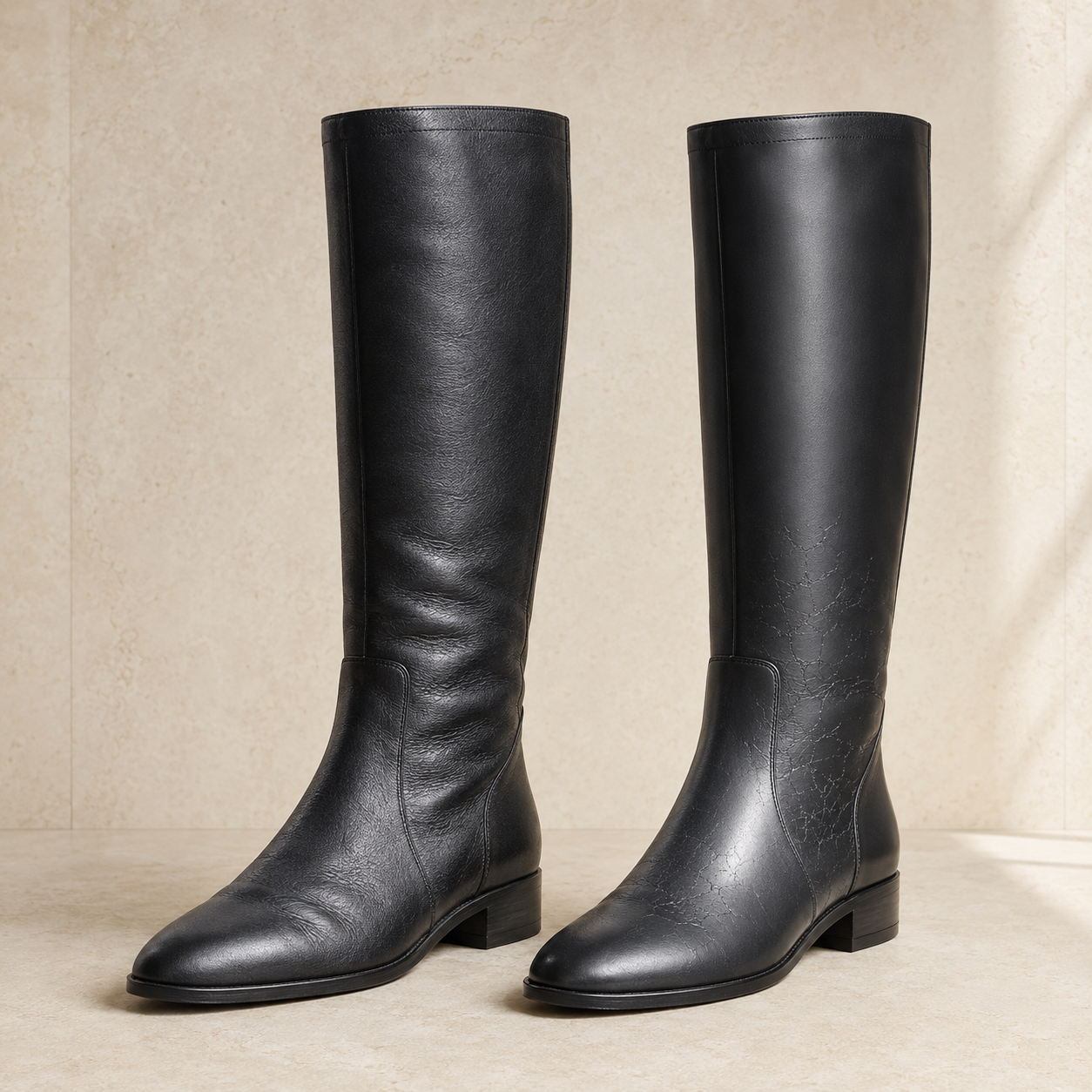
Why “Real Leather” Boots Still Crack: The Leather Grades No One Explains
Once a woman confirms that a boot is made from leather, she usually stops asking about the material, so full grain vs genuine leather rarely enters the decision. Her attention moves to the heel, toe shape, and whether the shaft fits. That is where money is often lost and frustration begins. After a season, the…
-
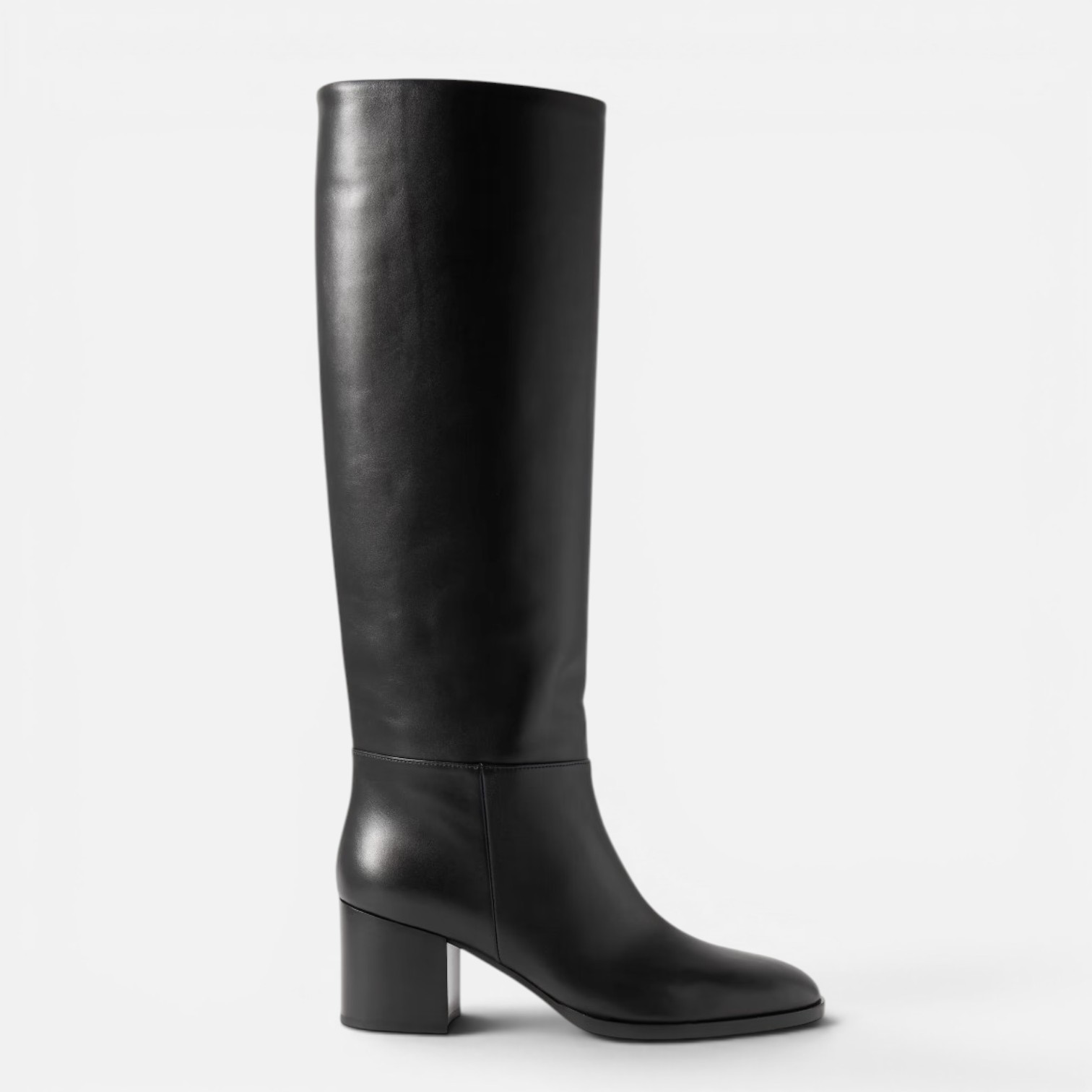
The Only Knee-High Boots Worth Buying for a Professional Wardrobe
The market is full of well-made leather boots, and also full of two traps. The first is the fashion boot: a faux-leather upper, a stiff synthetic shaft, possibly a novelty heel, built to look current for one season and to be replaced the next. The second is the shapeless slouch boot, all excess leather and…
-
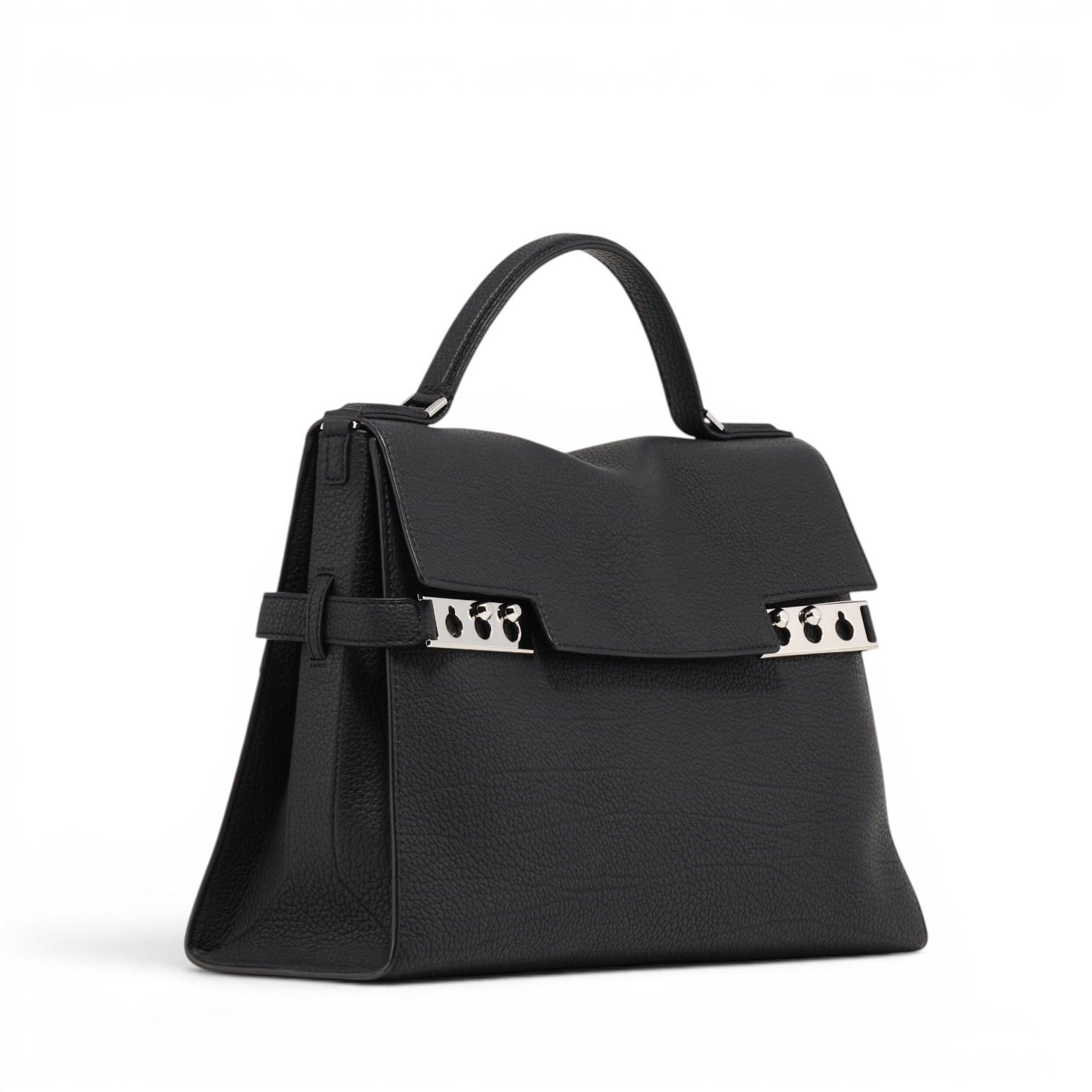
The Only Bags Worth Buying for Work
The search for the best quality work bags for women usually starts with the wrong question: is this a beautiful bag? For work, the better question is: Will this bag support everything I need it to do throughout the day? A bag can be beautiful and still be wrong for work. It can not fit…
-

The 10 Pieces That Replace 30 in a Professional Wardrobe
A professional wardrobe does not need thirty similar pieces. It needs the right ten. Before the pieces themselves, it helps to see why a full closet so often still falls short, because that is exactly what a set of professional wardrobe essentials is meant to solve. A wardrobe becomes crowded when too many pieces have…
-

The Only Knitwear Worth Buying for a Professional Wardrobe
Knitwear is one of the most purchased and most replaced categories in a professional wardrobe. Knowing how to choose quality knitwear is the difference between a sweater you keep and one you replace. Almost all sweaters are appealing when they are new. They feel soft, look good folded on a table, and seem like an…
-
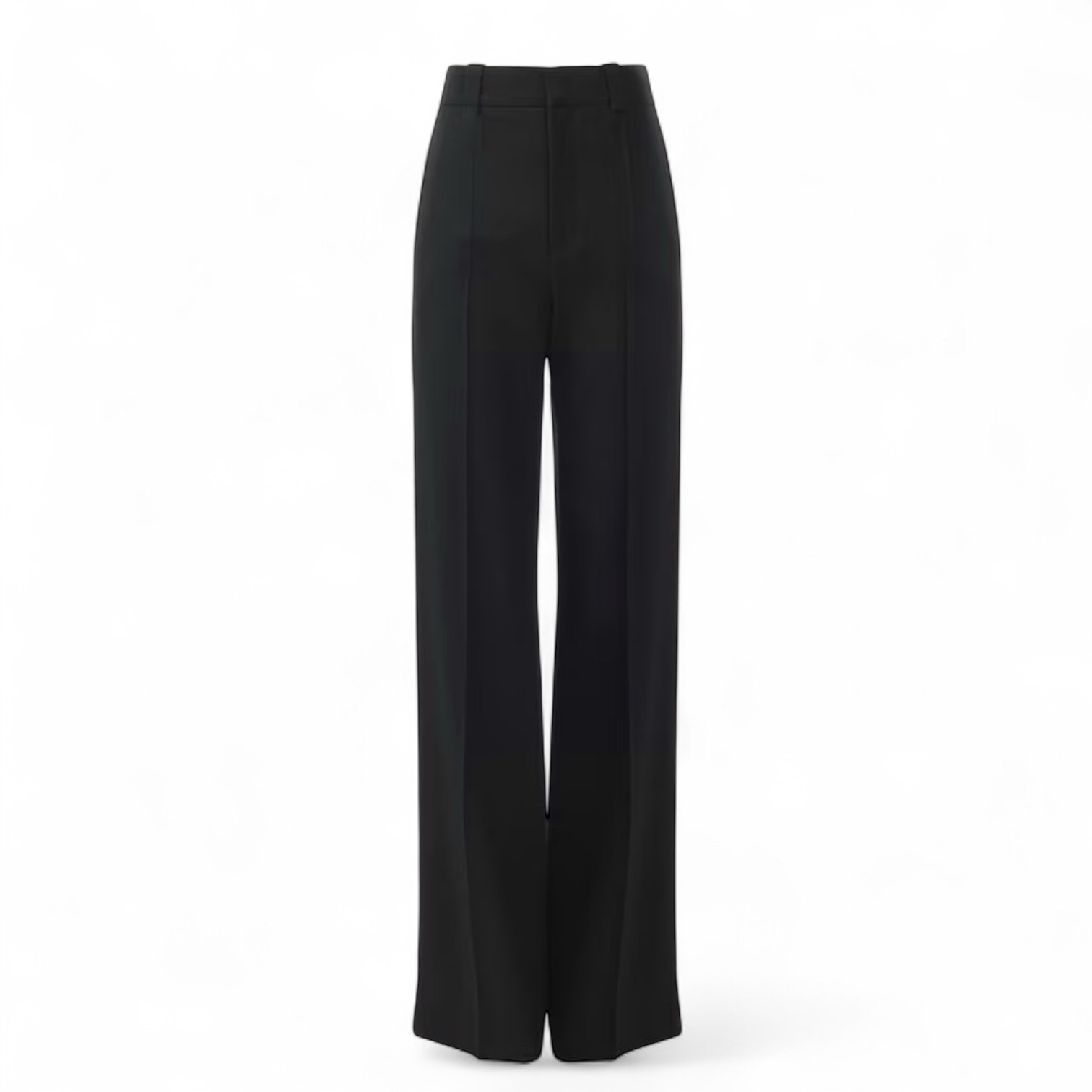
How to Choose Black Trousers for Work
Black trousers are supposed to be one of the easiest pieces in a professional wardrobe and often they are not. They feel like a safe buy because black works with almost everything, but black cannot fix the wrong trouser. How to choose black trousers for work starts with the right style, fit, fabric, and length.…
-
What Cost Per Wear Actually Means (And When It Doesn’t Apply)
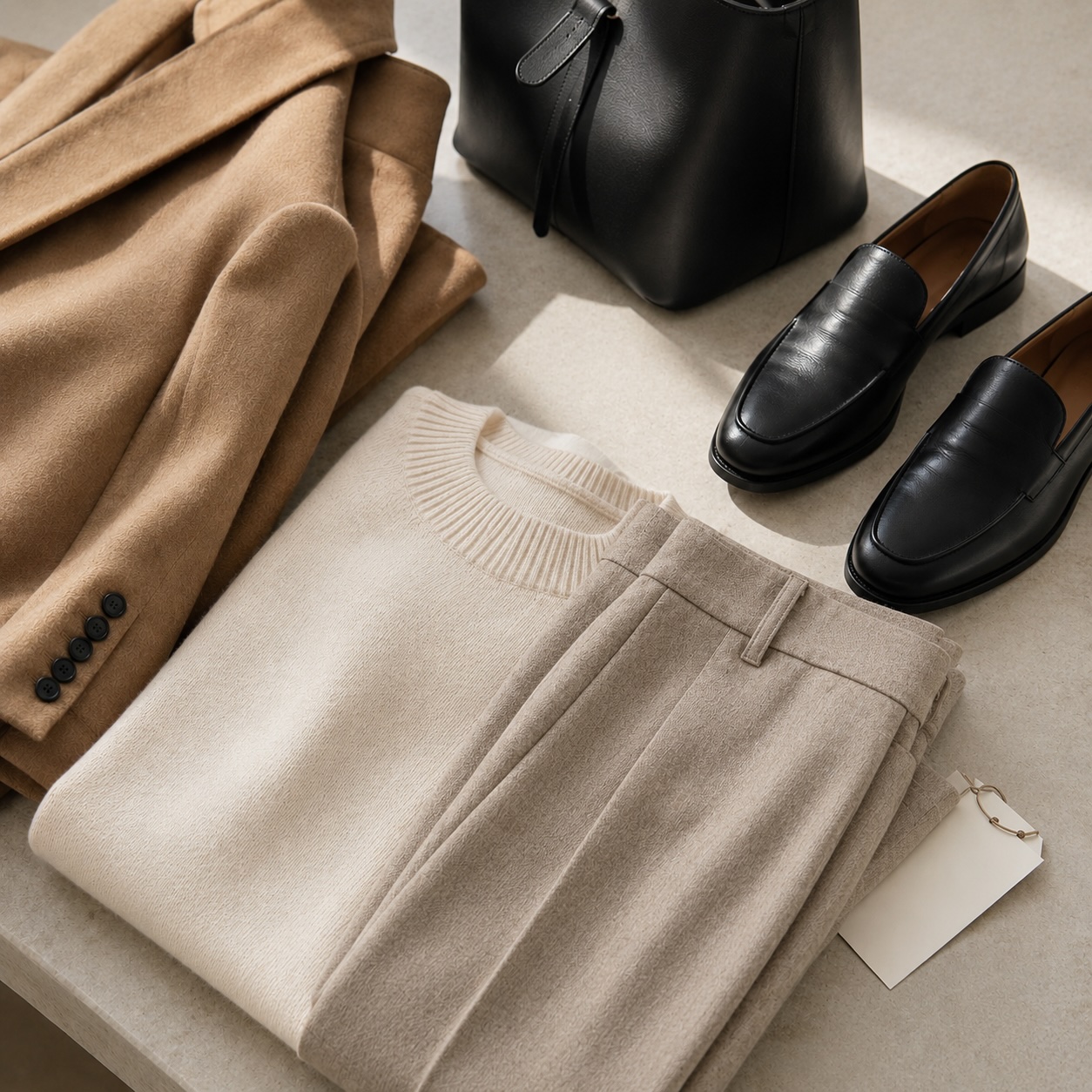
A piece is easiest to justify before it has been worn, and cost per wear is meant to be the check on that, as long as it measures real rather than imagined use. On the product page, in the fitting room, or in the first few days after it arrives, the use case can feel…
-
The Only Shoes Worth Buying for a Professional Wardrobe
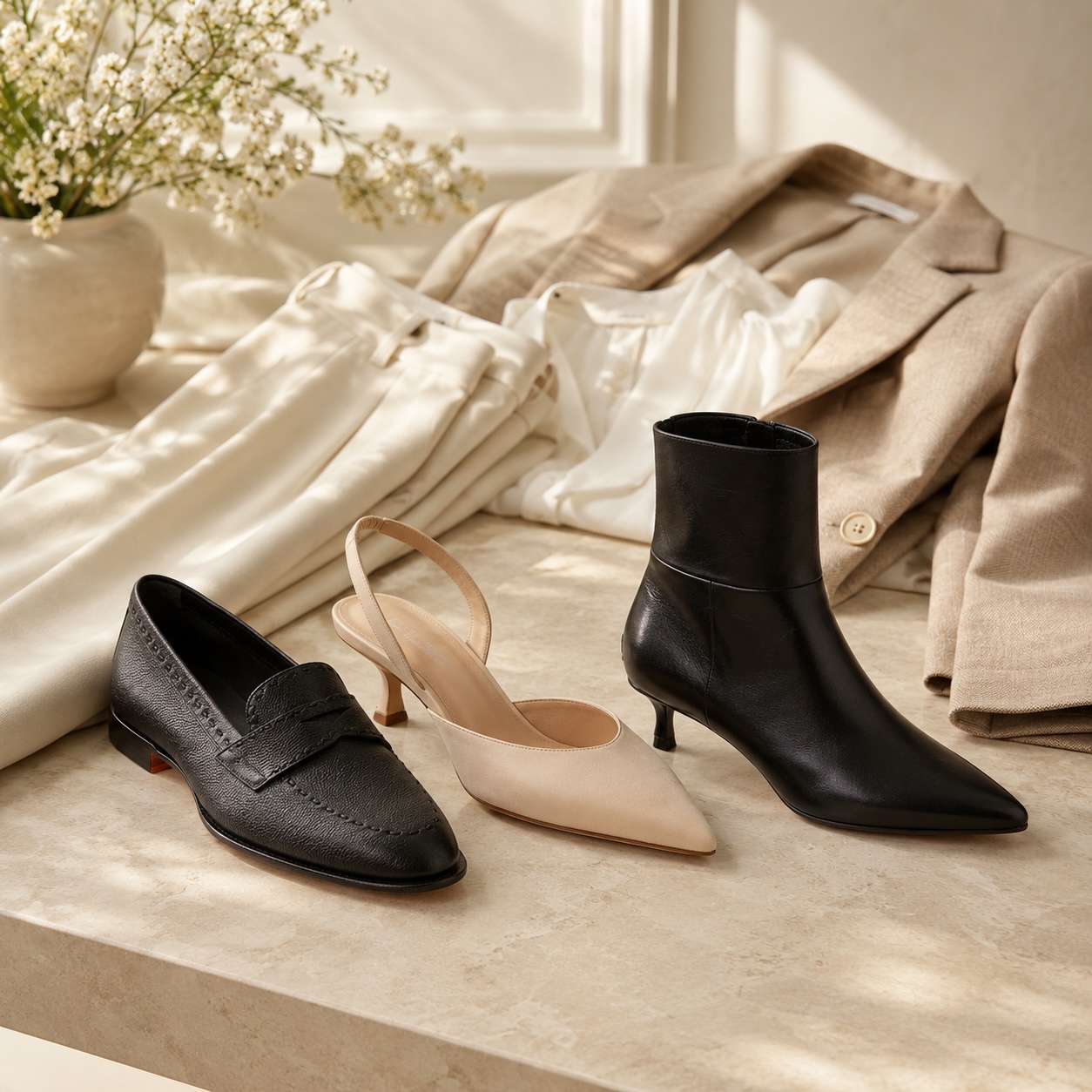
A professional wardrobe can be full of good clothes and still feel difficult if the shoes are wrong. The wrong shoe changes everything: a flat can leave tailoring unfinished, a very high heel makes a normal workday impractical, and a boot can fight the hem of a trouser. Knowing how to choose quality leather shoes…
-

The Only Blazers Worth Buying for a Professional Wardrobe
Blazers are easy to overbuy because they always look useful. On a hanger, almost any jacket with a lapel seems capable of making a wardrobe sharper. In real use, many only work with the exact trouser, blouse, or office setting they were built around. Knowing how to choose a blazer for work is what separates…
-

Why Most Wardrobes Feel Full but Still Don’t Work
Most wardrobe problems do not begin with having too few clothes. They begin with having too many pieces that only work under the right conditions. This is why a closet can be full while getting dressed still feels difficult. There may be plenty to choose from, but too little that feels reliable the moment it…
-

Why Some Clothes Start Feeling Wrong So Quickly
Some clothing becomes difficult to wear long before it wears out. The fabric may still look fine. The seams may still hold. Yet something starts feeling off. The blazer feels too oversized. The trousers feel too wide or narrow. The cropped length that once felt modern starts limiting the rest of the wardrobe. This is…
-
Why Clothes Start Looking Worn So Quickly
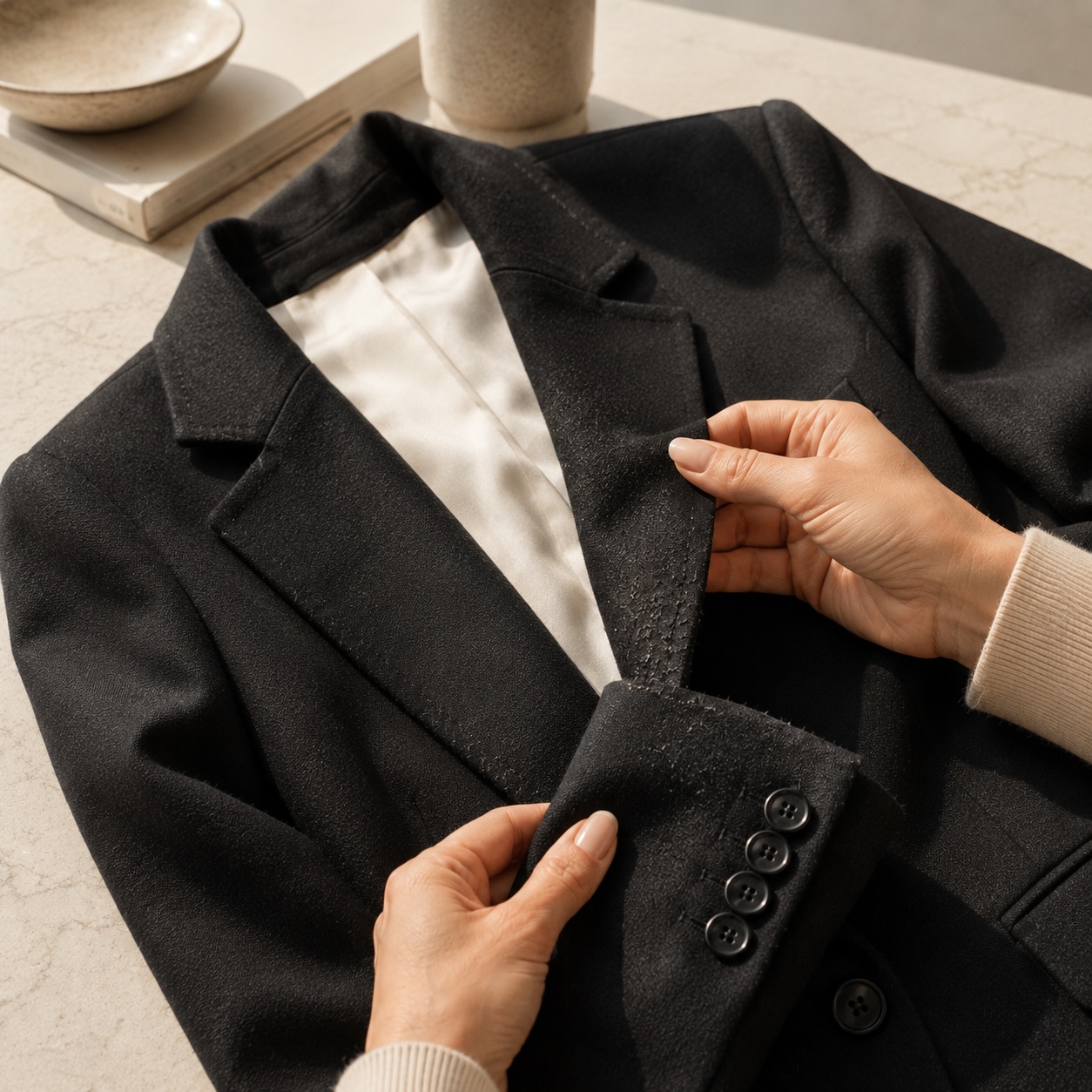
Most garments look structured when they are new. The silhouette is clean, the seams appear aligned, and the fabric holds its shape on the hanger or in a fitting room. Nothing looks off at first. The difference shows up later, after movement, sitting, laundering, and repeated wear. Lapels soften, seams begin to shift slightly, areas…
-

How Fabric Actually Determines Whether Clothes Last
Clothing rarely fails all at once. The change is gradual. Fabric softens, surfaces lose clarity, and structure becomes less defined. Pieces that once looked composed begin to feel slightly off, even when they are still wearable. This is often blamed on wear, but the outcome is usually determined before the garment is ever worn. Fabric…
-
The Only Trousers Worth Buying for a Professional Wardrobe
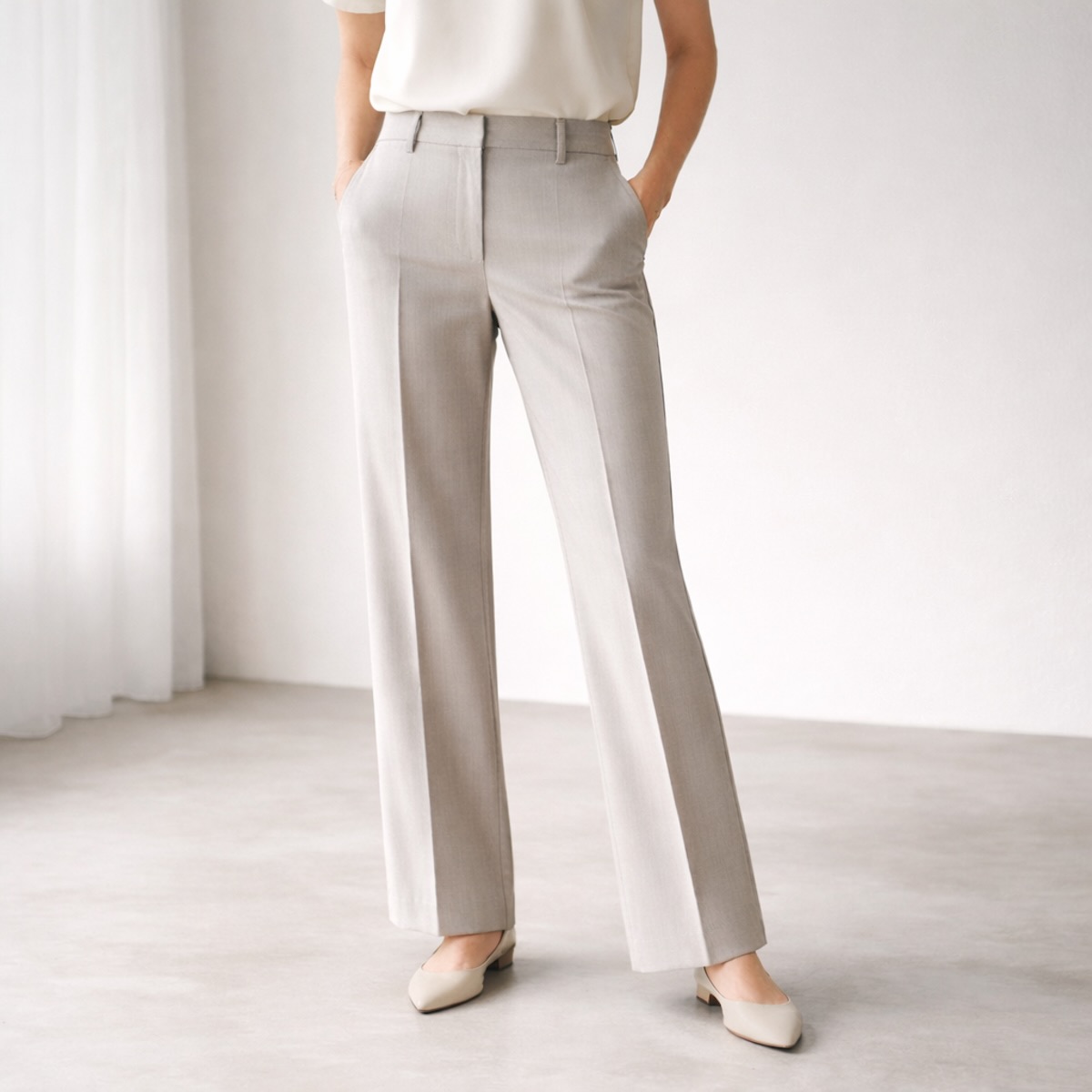
Most wardrobes accumulate more trousers than they use. Over time the differences between them blur and the value of owning so many drops. Knowing how to choose trousers for work is what turns that pile into a few pairs with a strong place in the wardrobe. Trousers are tested across long days of sitting, walking,…
-
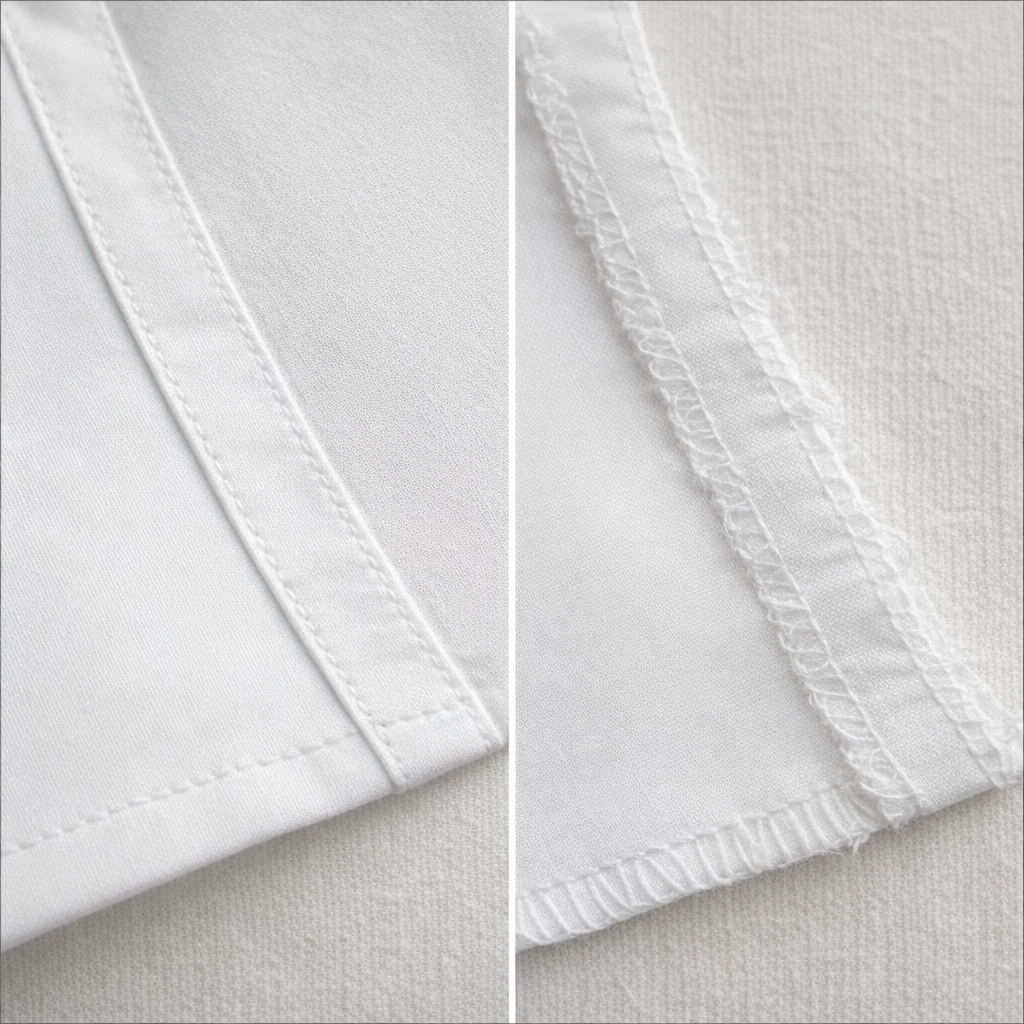
Why Some Clothes Wear Well for Years and Others Don’t
A visual guide to quality you can actually see Most people think clothing quality is about brand names or fabric labels. It isn’t. Quality reveals itself in how a garment behaves after repeated wear, and learning how to buy clothes that last means reading those signs before you own the piece rather than after. Whether…
-
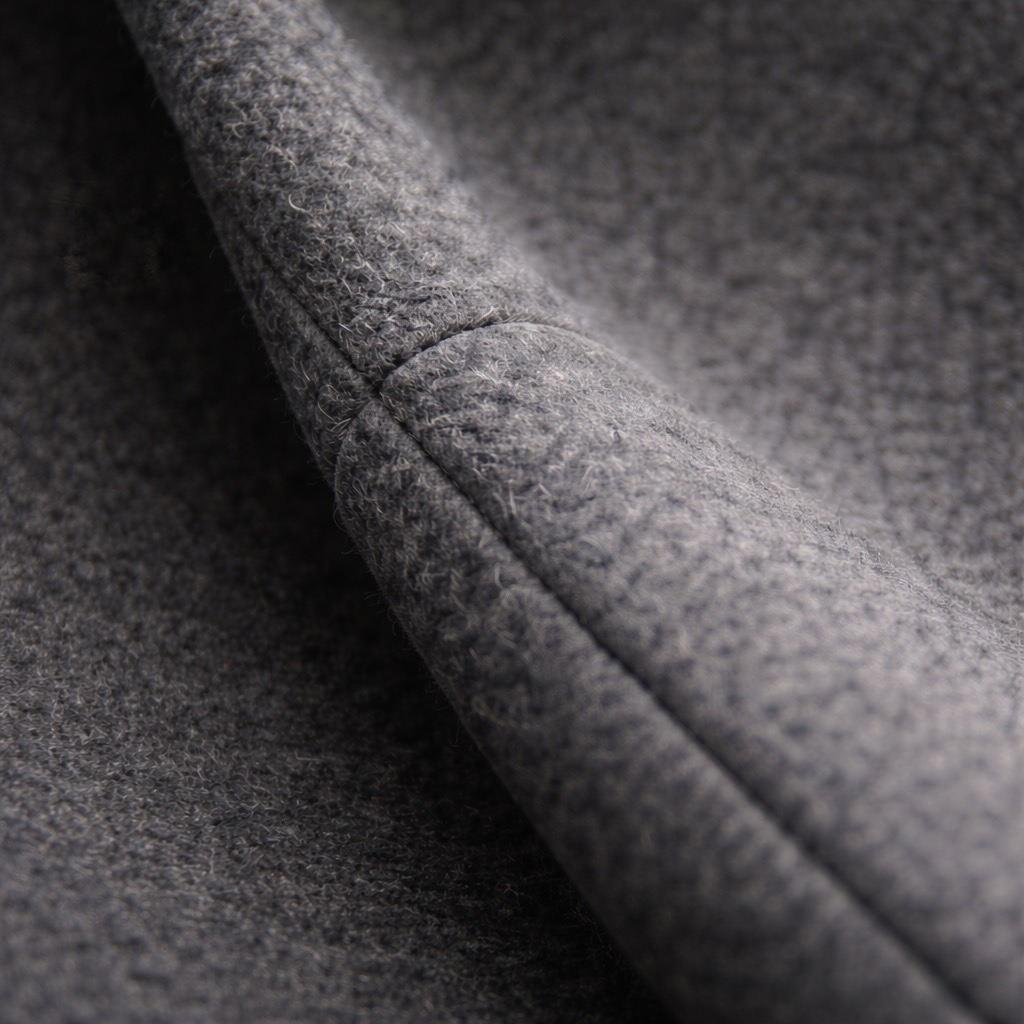
Why Most “Investment Pieces” Aren’t Actually Worth Investing In
The idea of an investment piece is appealing because it suggests discernment, longevity, and restraint. But are investment pieces worth it, or has that label become a way to make a high price feel justified? The problem is that the term has lost precision. Today, “investment” is often used to justify price rather than value.…
-
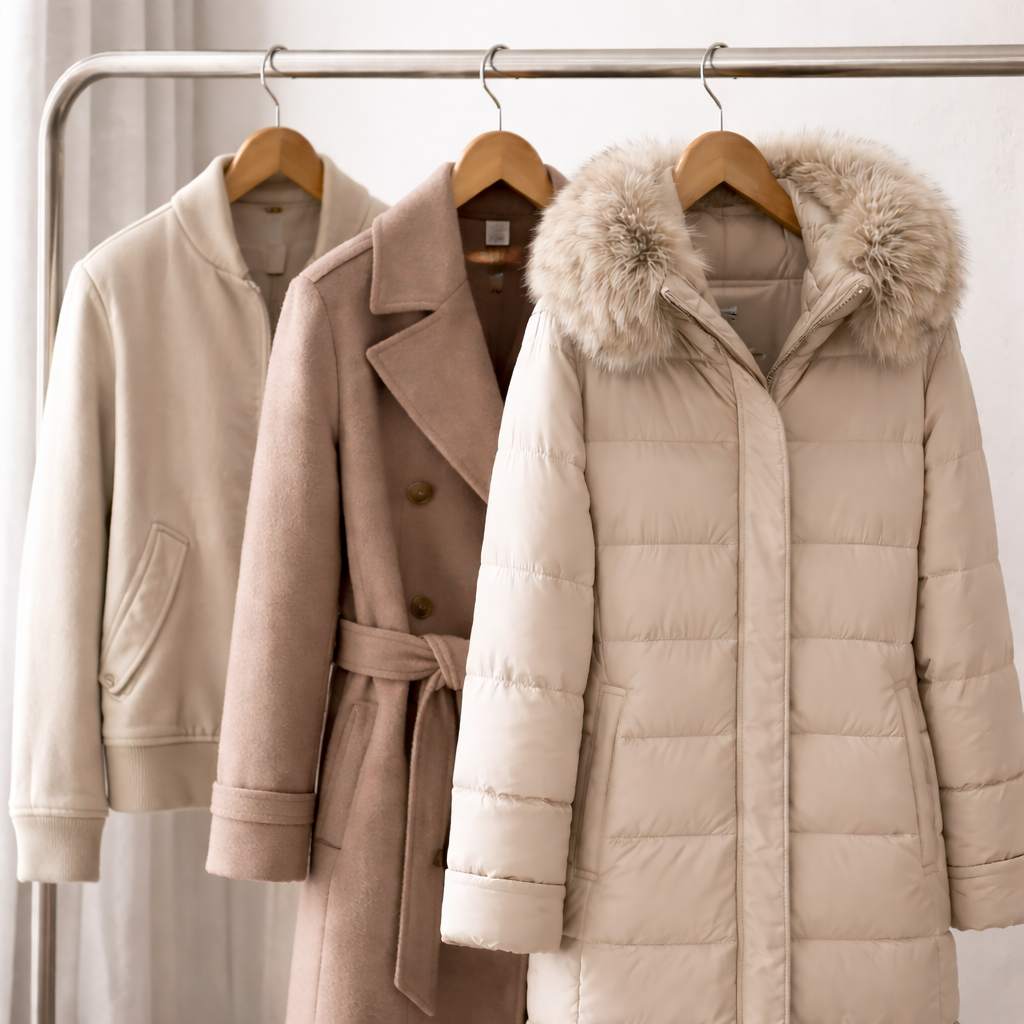
The Only Coats Worth Buying for a Professional Wardrobe
Most wardrobes suffer not from a lack of options, but from too many that solve the same problem. A professional wardrobe does not benefit from owning many coats. It benefits from owning the right ones and knowing how to choose a winter coat is what separates owning a few that you use regularly from many…
-
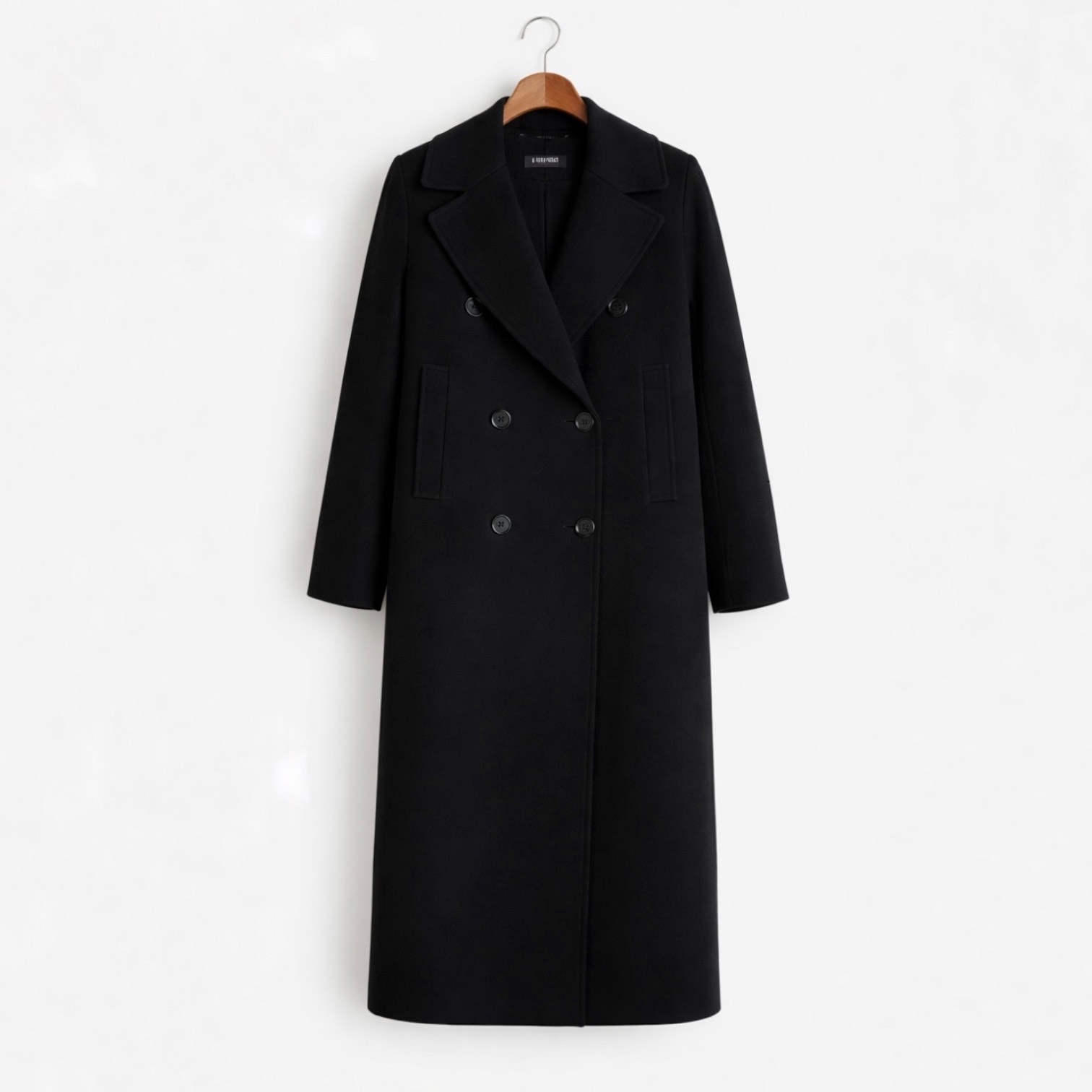
The Tailored Black Coat: Why It Anchors a Professional Wardrobe
A tailored black coat is the most consequential outer layer in a professional wardrobe. It is the piece seen the most and worn across the widest range of settings, which is why how to style a black coat matters more here than with almost any other garment. It finishes the silhouette and governs how the…
-
What Actually Qualifies as an Investment Piece…and What Doesn’t
An investment piece isn’t defined by price. It’s defined by what it continues to do for you after the novelty wears off. In fashion, the answer to what is an “investment” piece is often simply what is expensive or socially recognizable. Credence uses a stricter definition: a piece qualifies only when its design, materials, and…