Category: Articles
-
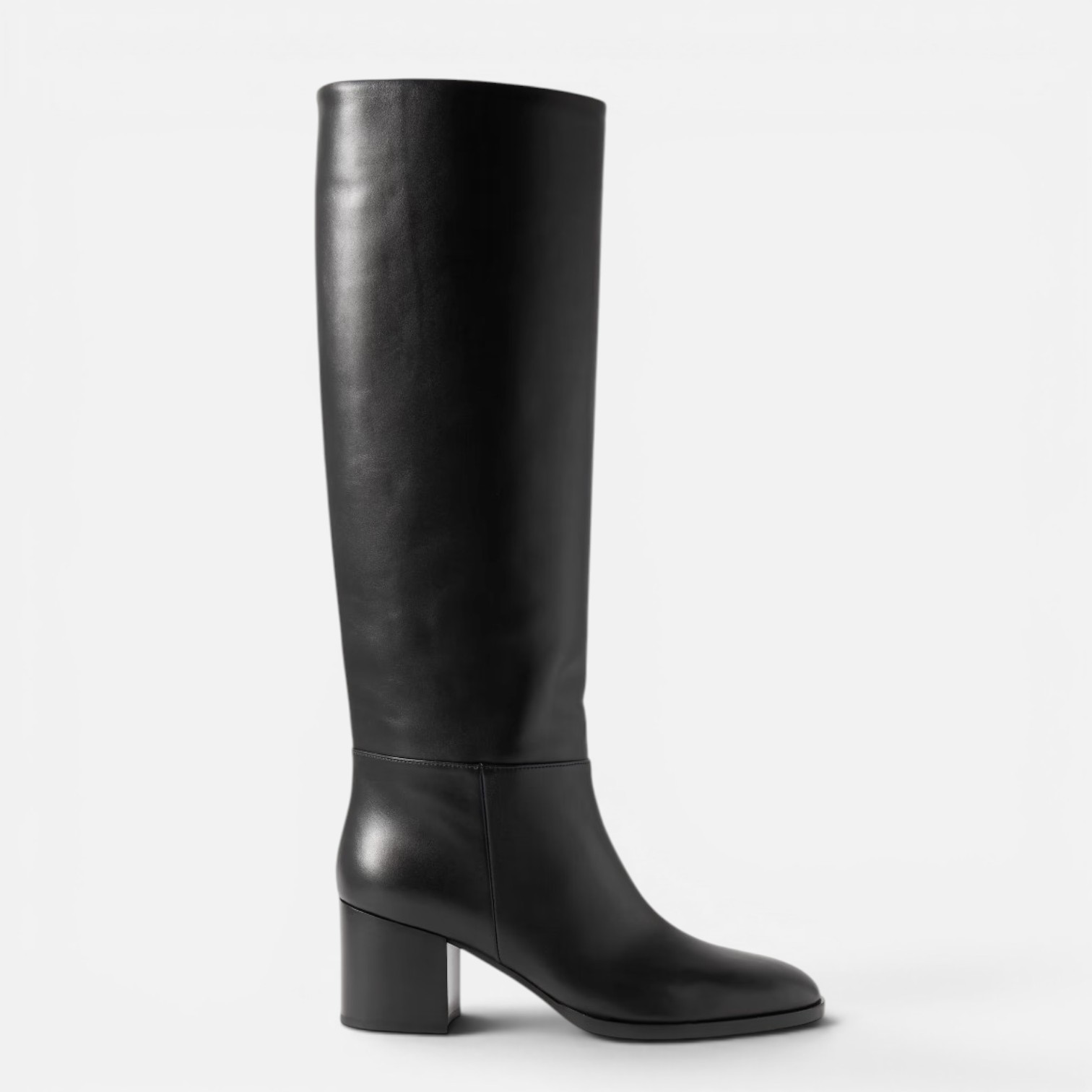
The Only Knee-High Boots Worth Buying for a Professional Wardrobe
Knee-high boots are easy to get wrong because they photograph better than they wear. On a screen, almost any tall boot looks great. In real life, most of them sag at the ankle by the second season, pull at the calf, or read as a trend the moment the trend passes. Knowing how to choose…
-
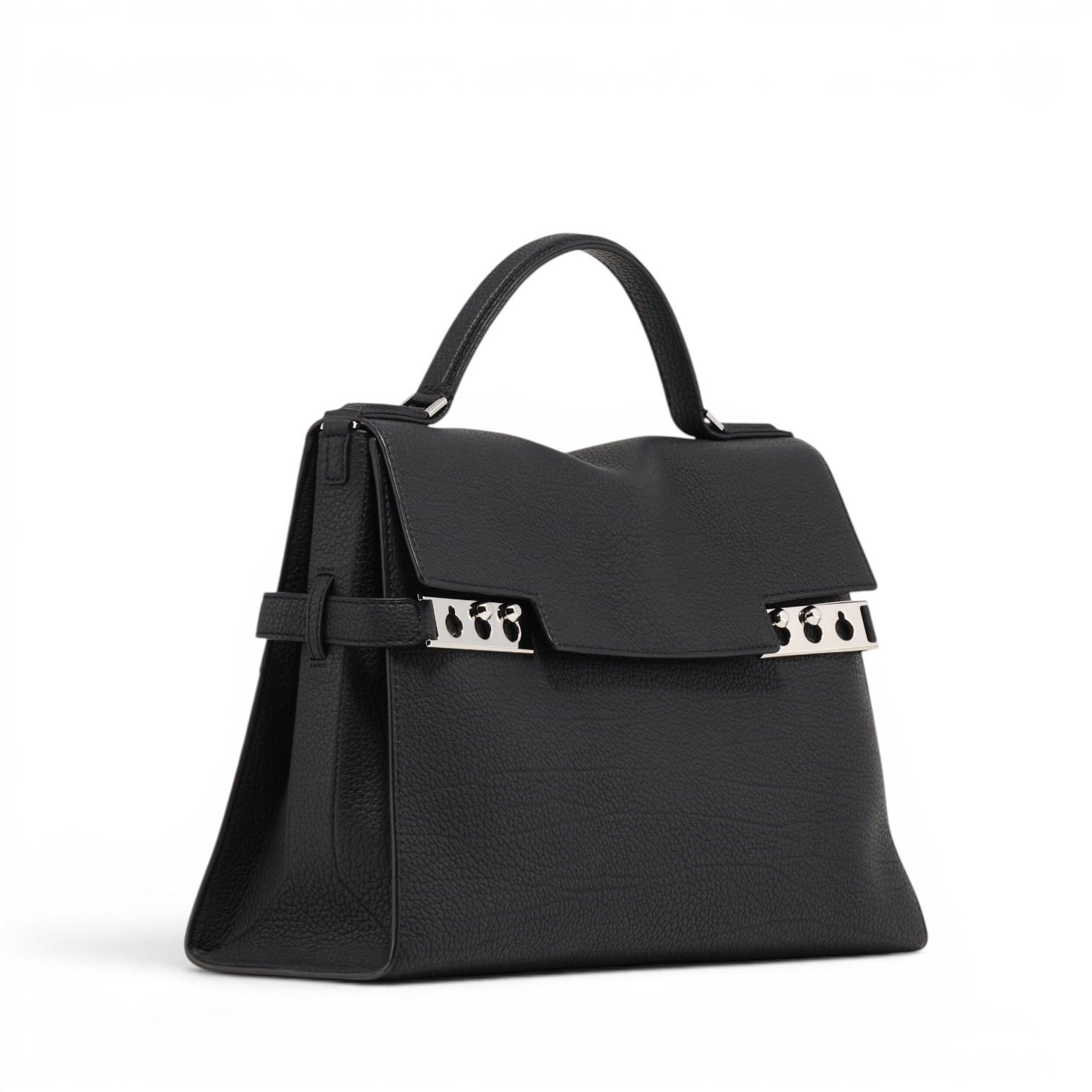
The Only Bags Worth Buying for Work
The search for the best quality work bags for women usually starts with the wrong question: is this a beautiful bag? For work, the better question is: Will this bag support everything I need it to do throughout the day? A bag can be beautiful and still be wrong for work. It can not fit…
-

The 10 Pieces That Replace 30 in a Professional Wardrobe
A professional wardrobe does not need thirty similar pieces. It needs the right ten. Before the pieces themselves, it helps to see why a full closet so often still falls short, because that is exactly what a set of professional wardrobe essentials is meant to solve. A wardrobe becomes crowded when too many pieces have…
-

The Only Knitwear Worth Buying for a Professional Wardrobe
Knitwear is one of the most purchased and most replaced categories in a professional wardrobe. Many sweaters are appealing when they are new. They feel soft in a fitting room, look good folded on a table, or seem like an easy seasonal update. Then some begin to pill after only a few wears. Others lose…
-
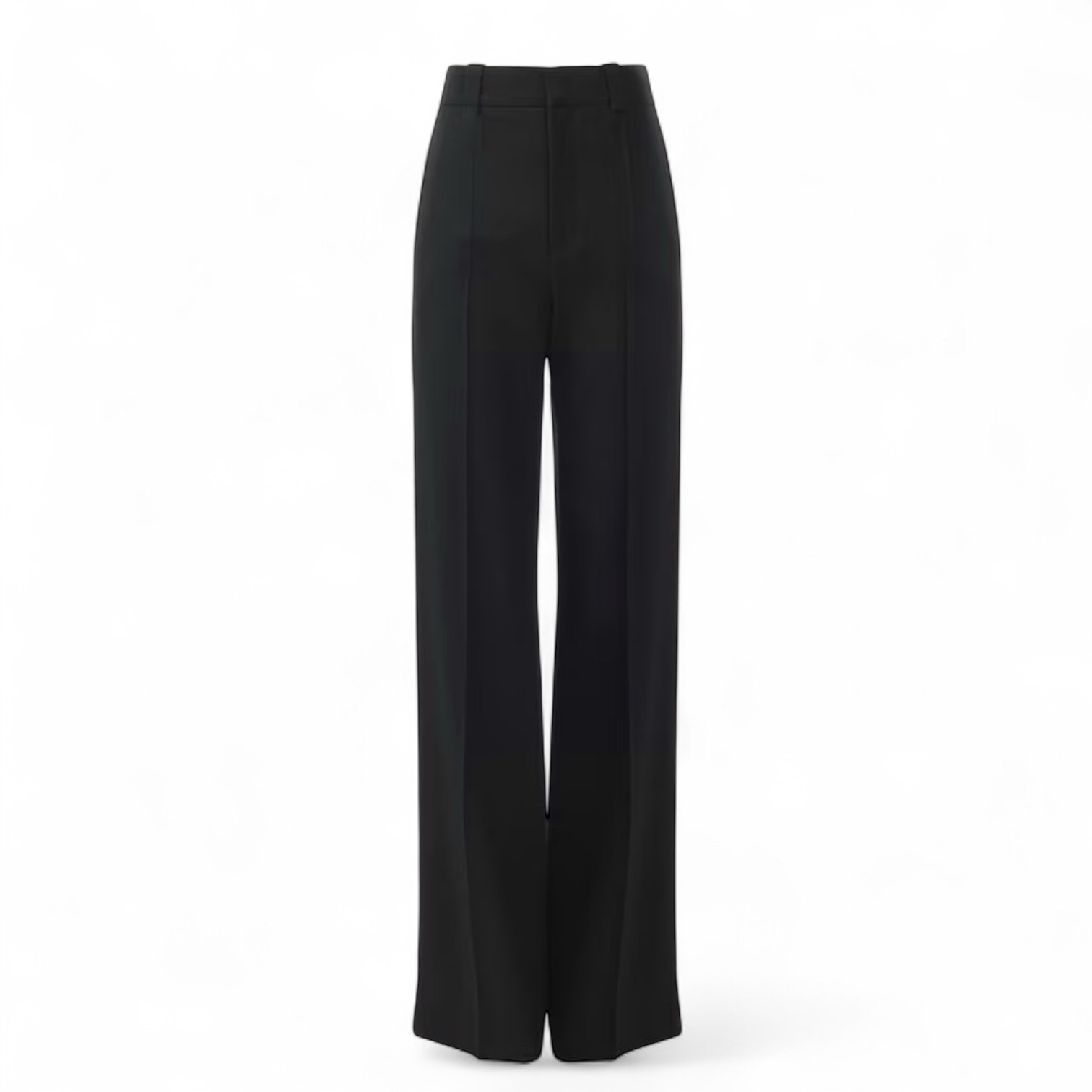
The Best Black Trousers for Work
Black trousers are supposed to be one of the easiest pieces in a professional wardrobe. Often, they are not. They seem like a safe purchase because black works with almost everything: blazers, shirts, knitwear, coats, flats, heels, and boots. They can look sharp in a formal office and simple on a less dressed-up day. But…
-
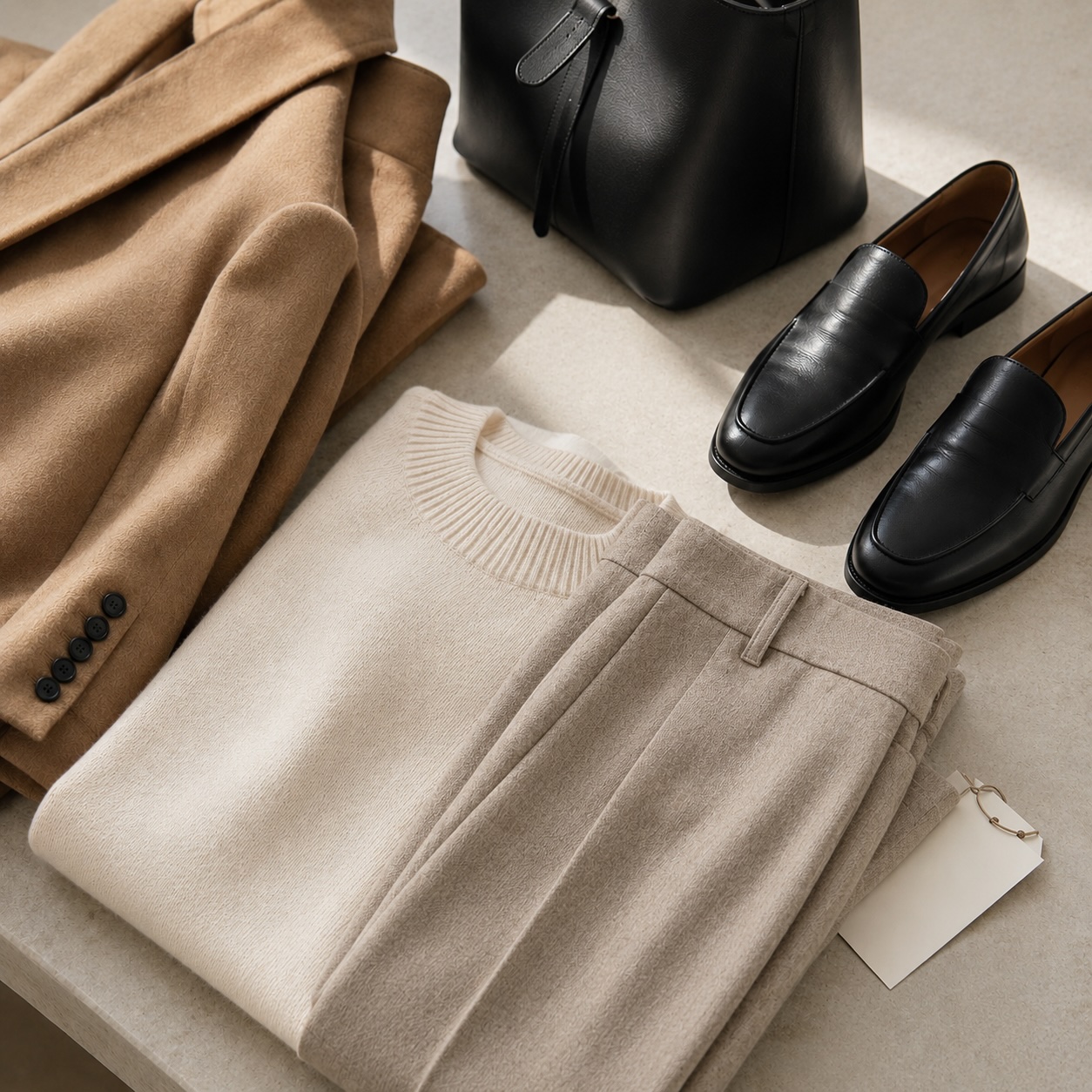
What Cost Per Wear Actually Means (And When It Doesn’t Apply)
A piece is easiest to justify before it has been worn. On the product page, in the fitting room, or in the first few days after it arrives, the use case can feel clear. The color seems practical. The cut seems versatile. The price seems reasonable, or at least explainable. It is easy to picture…
-
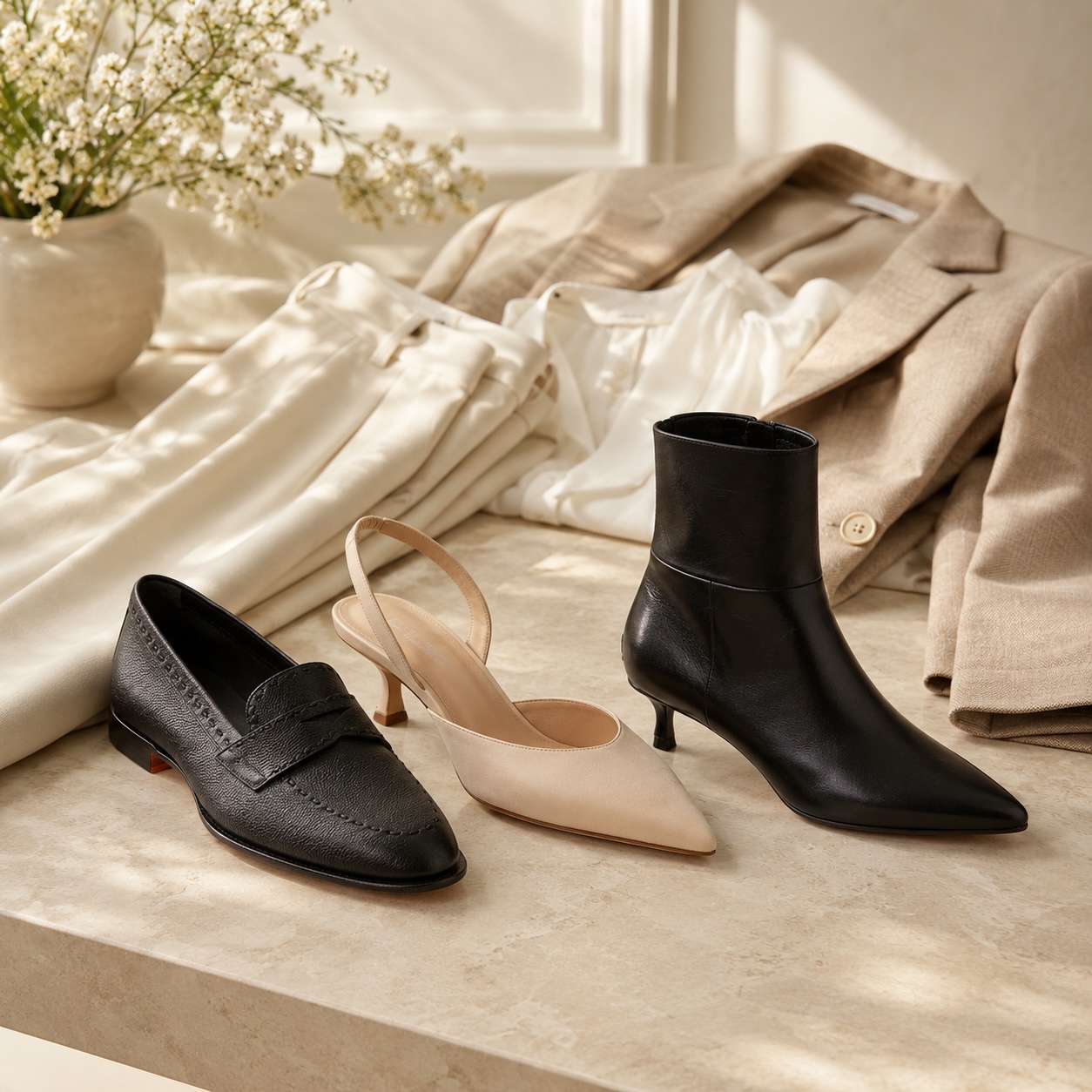
The Only Shoes Worth Buying for a Professional Wardrobe
A professional wardrobe can be full of good clothes and still feel difficult if the shoes are wrong. The trousers fit. The blazer works. The dress is simple and useful. Then the wrong shoe changes everything. A flat can make tailoring feel unfinished. A heel can make a normal workday impractical. A boot can fight…
-

The Only Blazers Worth Buying for a Professional Wardrobe
Blazers are easy to overbuy because they always look useful. On a hanger, almost any jacket with a lapel seems capable of making a wardrobe sharper. In real use, many only work with the exact trouser, blouse, or office setting they were built around. Knowing how to choose a blazer for work is what separates…
-

Why Most Wardrobes Feel Full but Still Don’t Work
Most wardrobe problems do not begin with having too few clothes. They begin with having too many pieces that only work under the right conditions. This is why a closet can be full while getting dressed still feels difficult. There may be plenty to choose from, but too little that feels reliable the moment it…
-
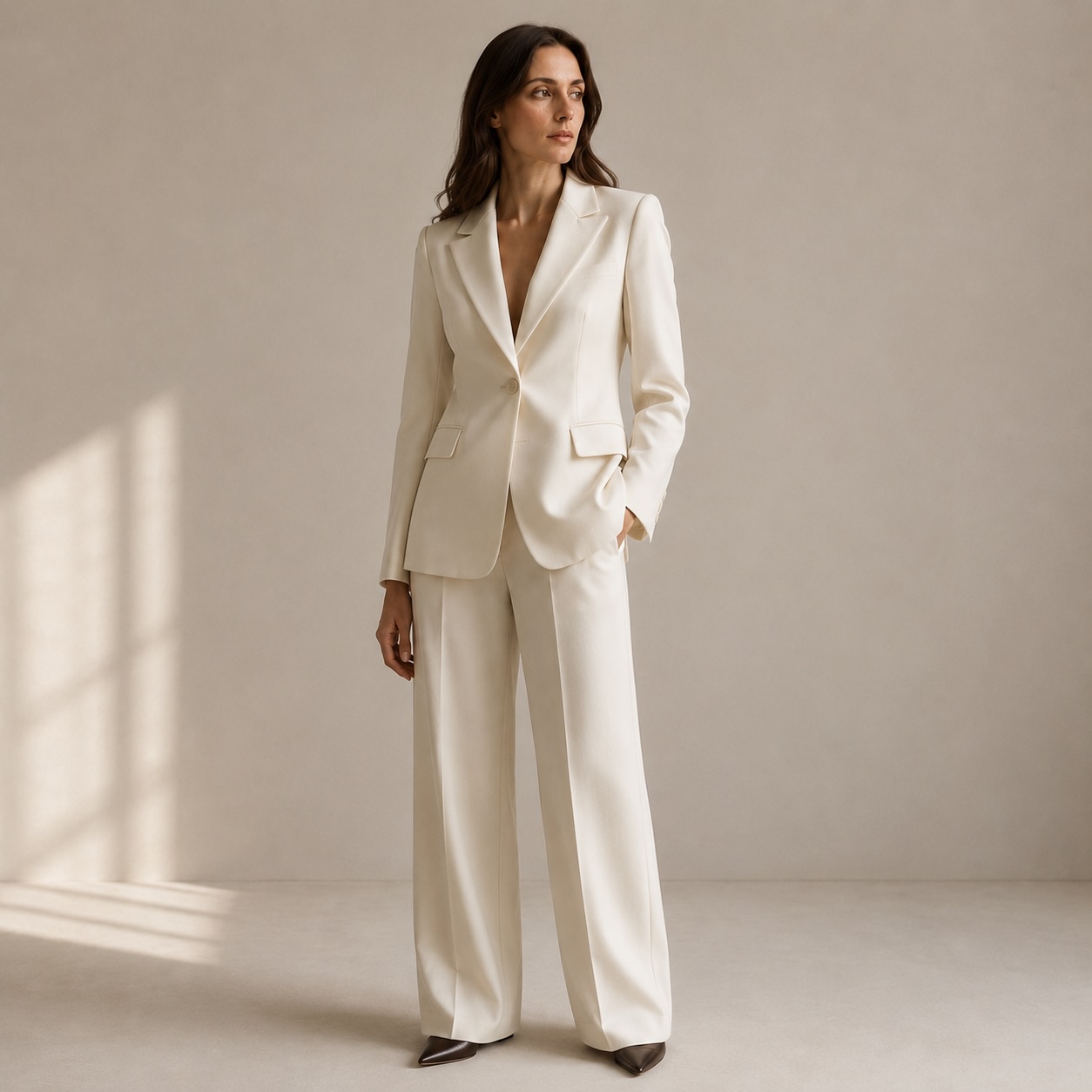
Why Some Clothes Start Feeling Wrong So Quickly
Some clothing becomes difficult to wear long before it wears out. The fabric may still look fine. The seams may still hold. Yet something starts feeling off. The blazer feels too oversized. The trousers feel too wide or narrow. The cropped length that once felt modern starts limiting the rest of the wardrobe. This is…
-
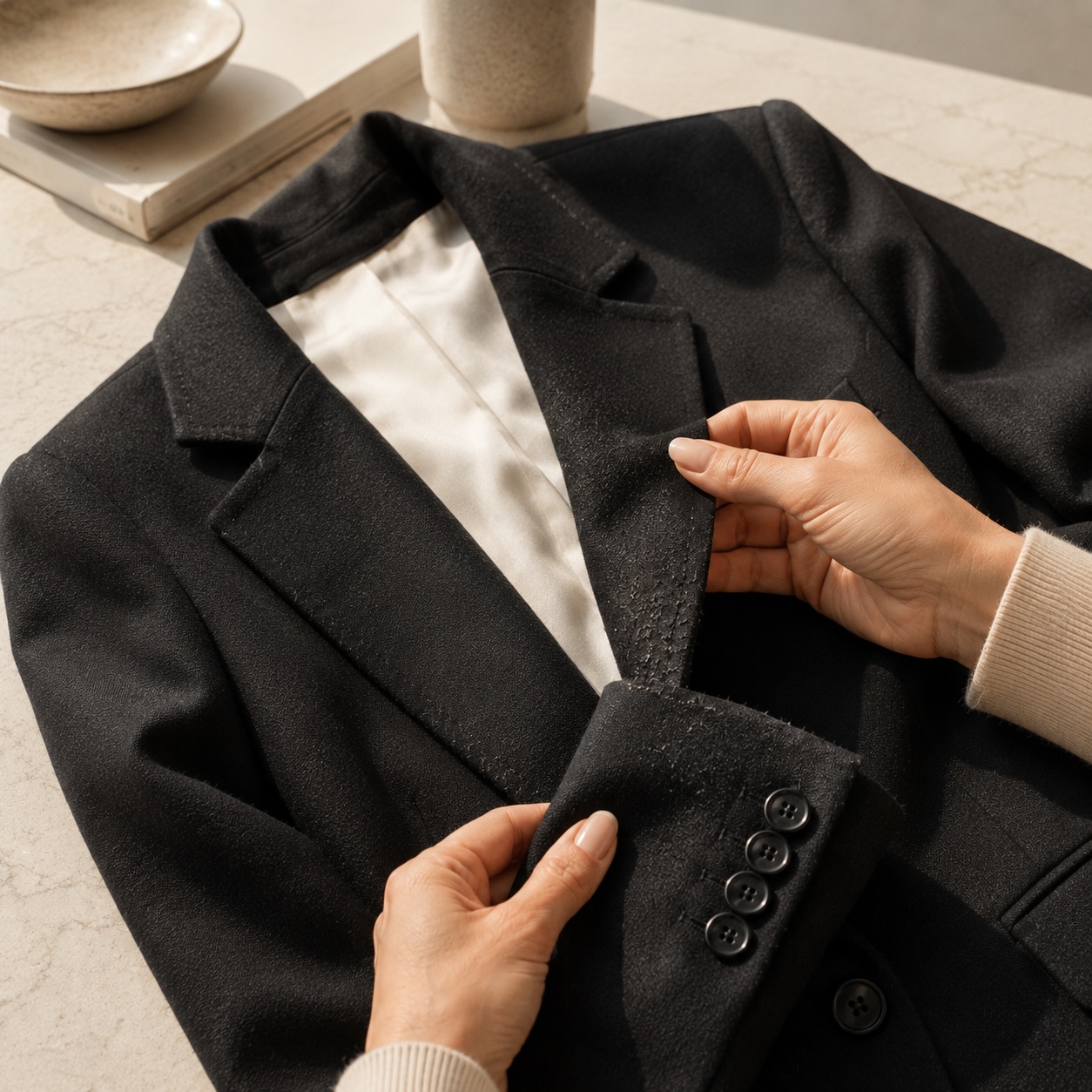
Why Clothes Start Looking Worn So Quickly
Most garments look structured when they are new. The silhouette is clean, the seams appear aligned, and the fabric holds its shape on the hanger or in a fitting room. Nothing looks off at first. The difference shows up later, after movement, sitting, laundering, and repeated wear. Lapels soften, seams begin to shift slightly, areas…
-

How Fabric Actually Determines Whether Clothes Last
Clothing rarely fails all at once. The change is gradual. Fabric softens, surfaces lose clarity, and structure becomes less defined. Pieces that once looked composed begin to feel slightly off, even when they are still wearable. This is often blamed on wear, but the outcome is usually determined before the garment is ever worn. Fabric…
-
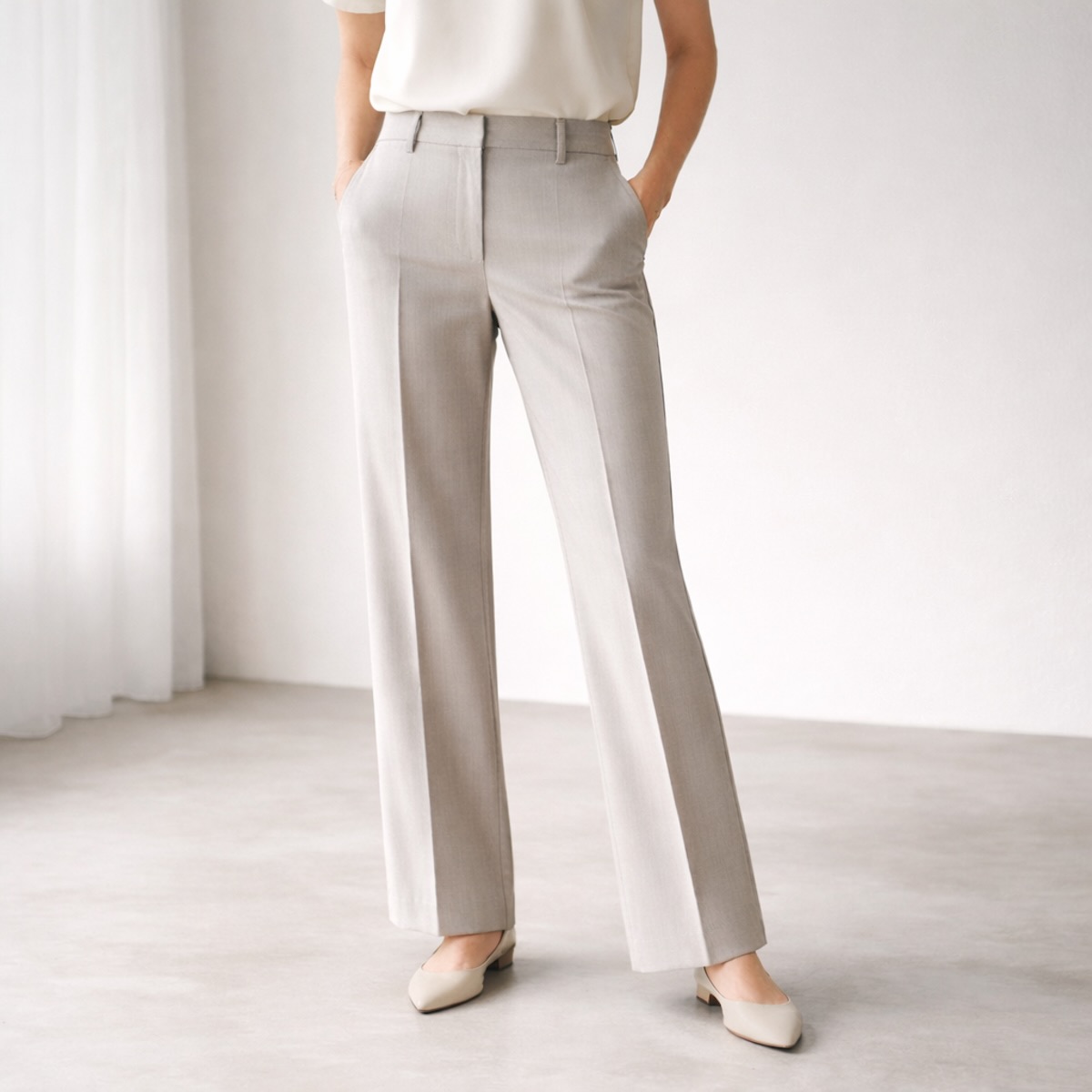
The Only Trousers Worth Buying for a Professional Wardrobe
Most wardrobes accumulate more trousers than they use. Over time, the differences between them become minimal, and the value of having so many drops. Trousers are tested across long days of sitting, walking, and movement. When they are of the right quality, the trousers in a wardrobe keep their shape, maintain proportion, and remain easy…
-
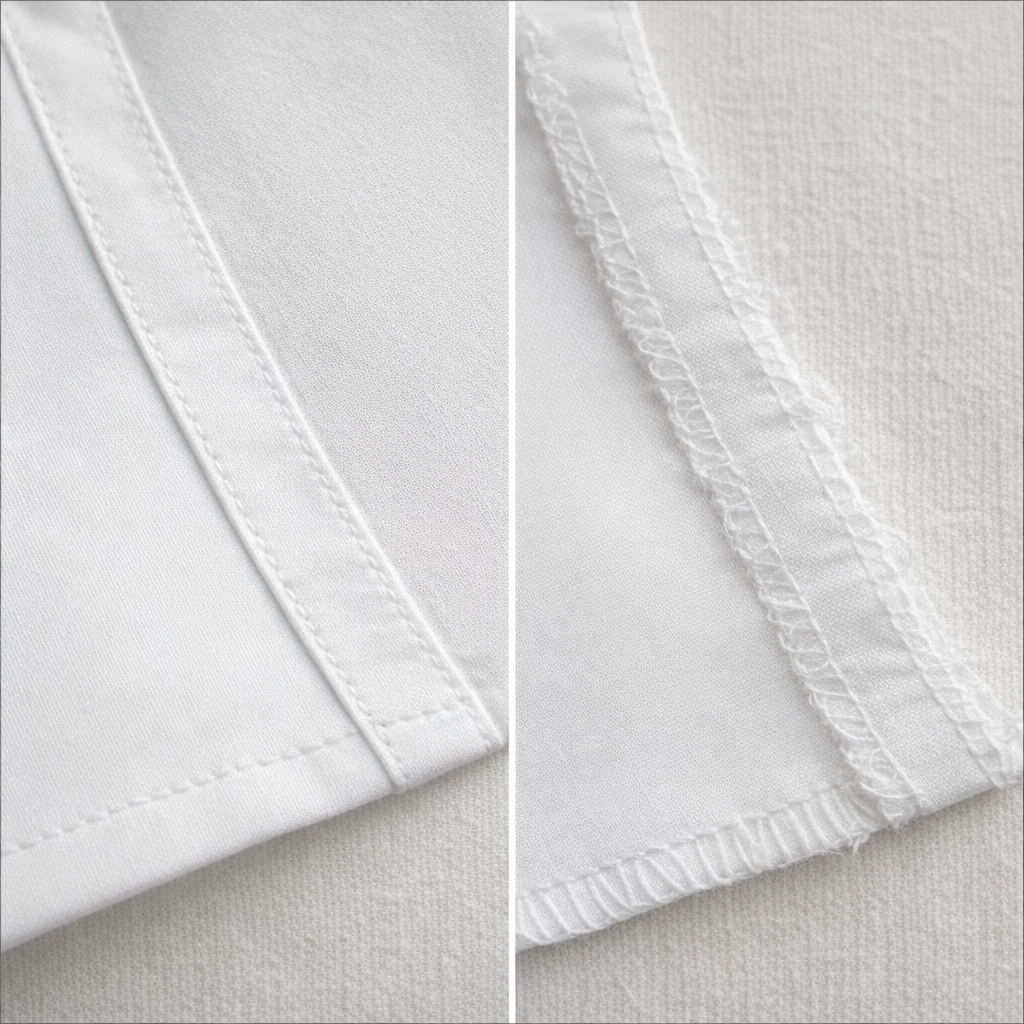
Why Some Clothes Wear Well for Years and Others Don’t
A visual guide to quality you can actually see Most people think clothing quality is about brand names or fabric labels. It isn’t. Quality reveals itself in how a garment behaves after repeated wear. Whether it keeps its shape, maintains clarity, and continues to look composed after years of use are the real measures. This…
-
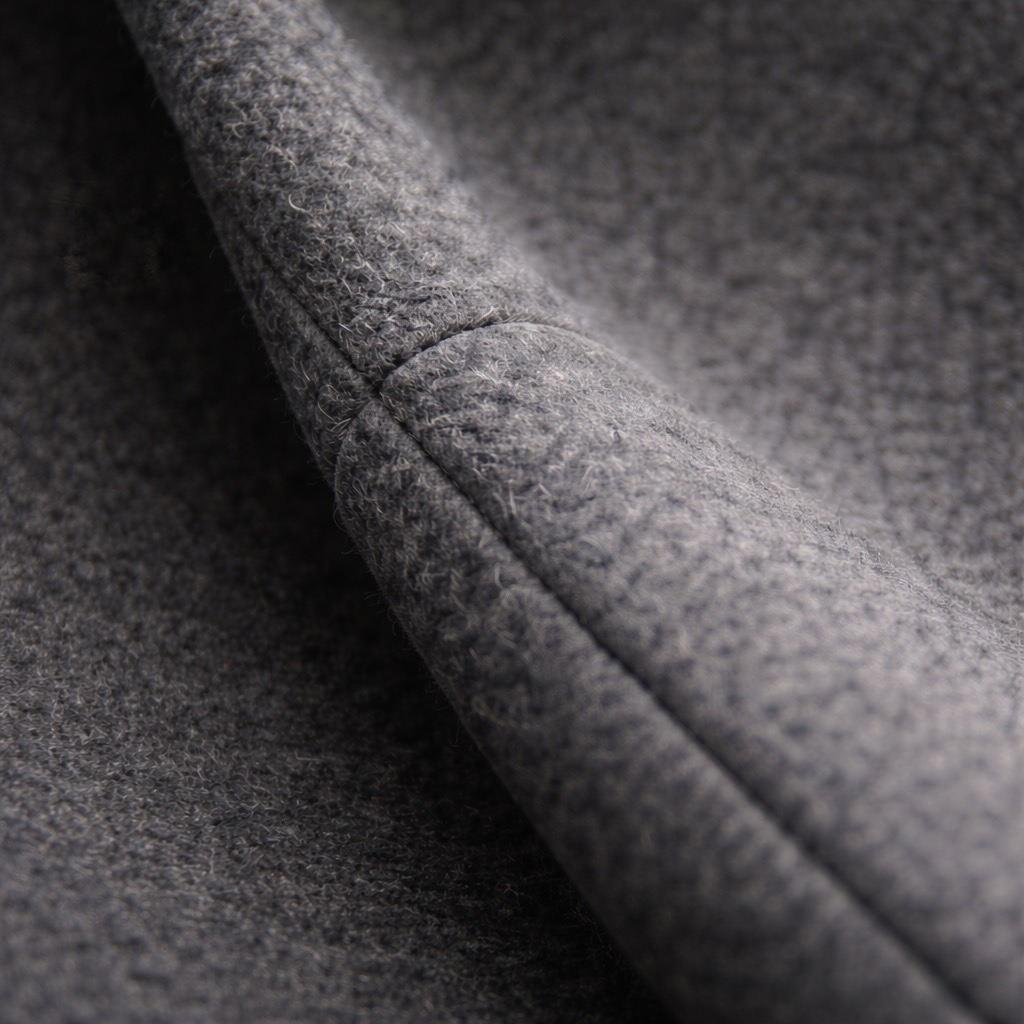
Why Most “Investment Pieces” Aren’t Actually Worth Investing In
The idea of an investment piece is appealing because it suggests discernment, longevity, and restraint. The problem is that the term has lost precision. Today, “investment” is often used to justify price rather than value. Expensive pieces are treated as inherently worthwhile, even when they fail in real wardrobes. In practice, investment is not defined…
-
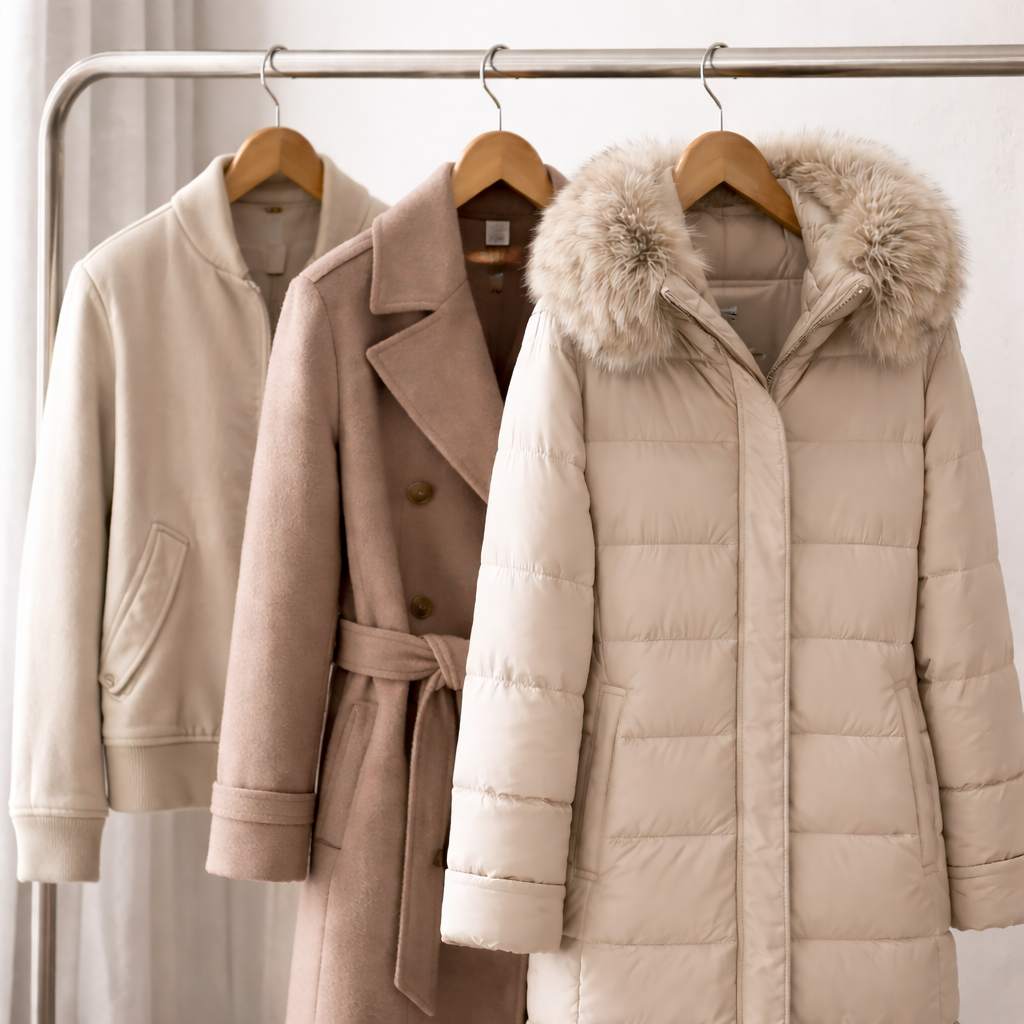
The Only Coats Worth Buying for a Professional Wardrobe
Most wardrobes suffer not from a lack of options, but from too many that solve the same problem. A professional wardrobe does not benefit from owning many coats. It benefits from owning the right ones. Pieces that earn their place through repeated use, adaptability, and sustained confidence tend to crowd out everything else over time.…
-
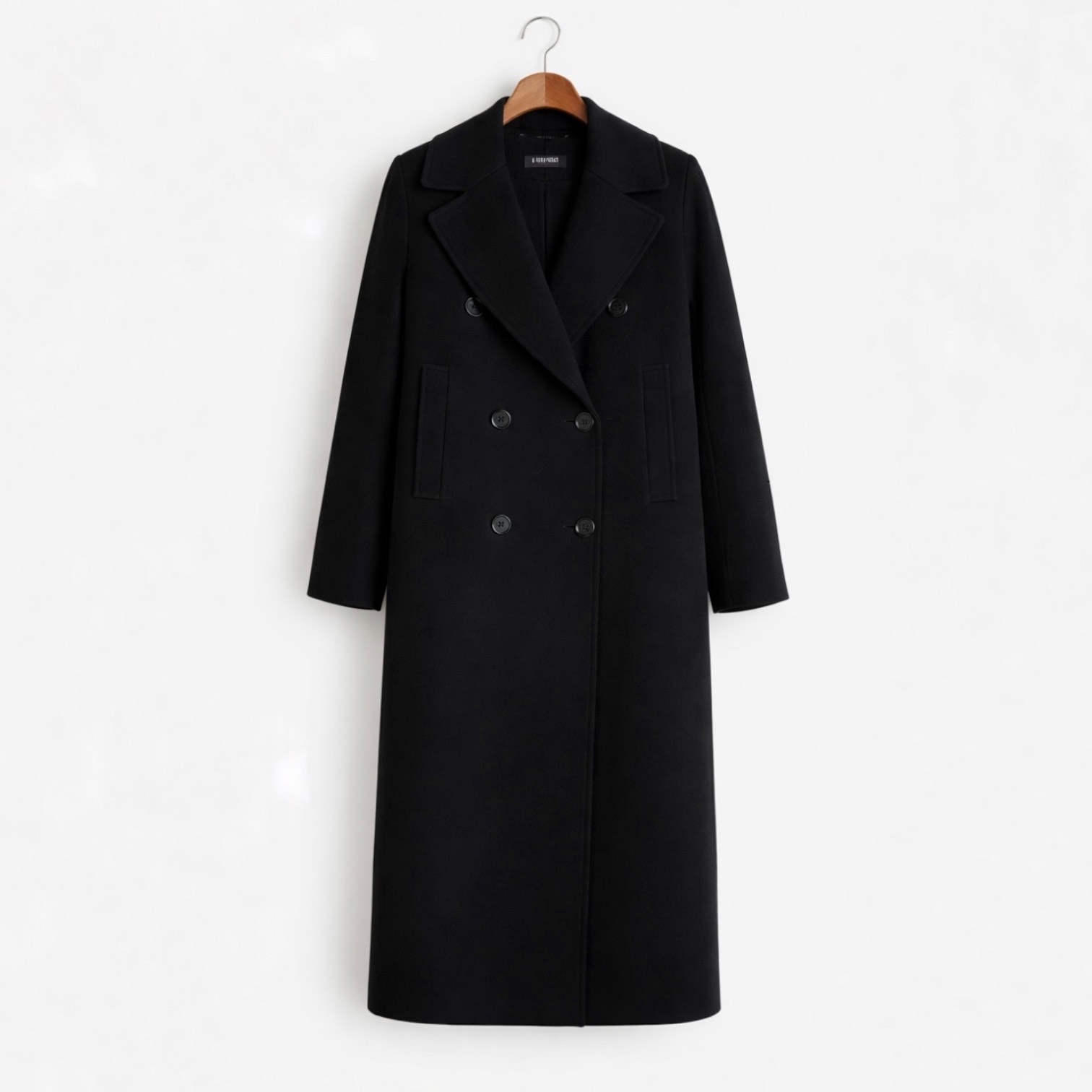
The Tailored Black Coat: Why It Anchors a Professional Wardrobe
A tailored black coat is the most consequential outer layer in a professional wardrobe. It is the garment that is seen the most, worn across the most environments, and evaluated at the greatest distance. It finishes the silhouette and governs how the entire outfit is read. Poor decisions show up quickly through discomfort, impracticality, or…
-
What Actually Qualifies as an Investment Piece…and What Doesn’t
An investment piece isn’t defined by price. It’s defined by what it continues to do for you after the novelty wears off. In fashion, “investment” is often used to mean either expensive or socially recognizable. Credence uses a stricter definition: a piece qualifies only when its design, materials, and function remain compelling across years of…