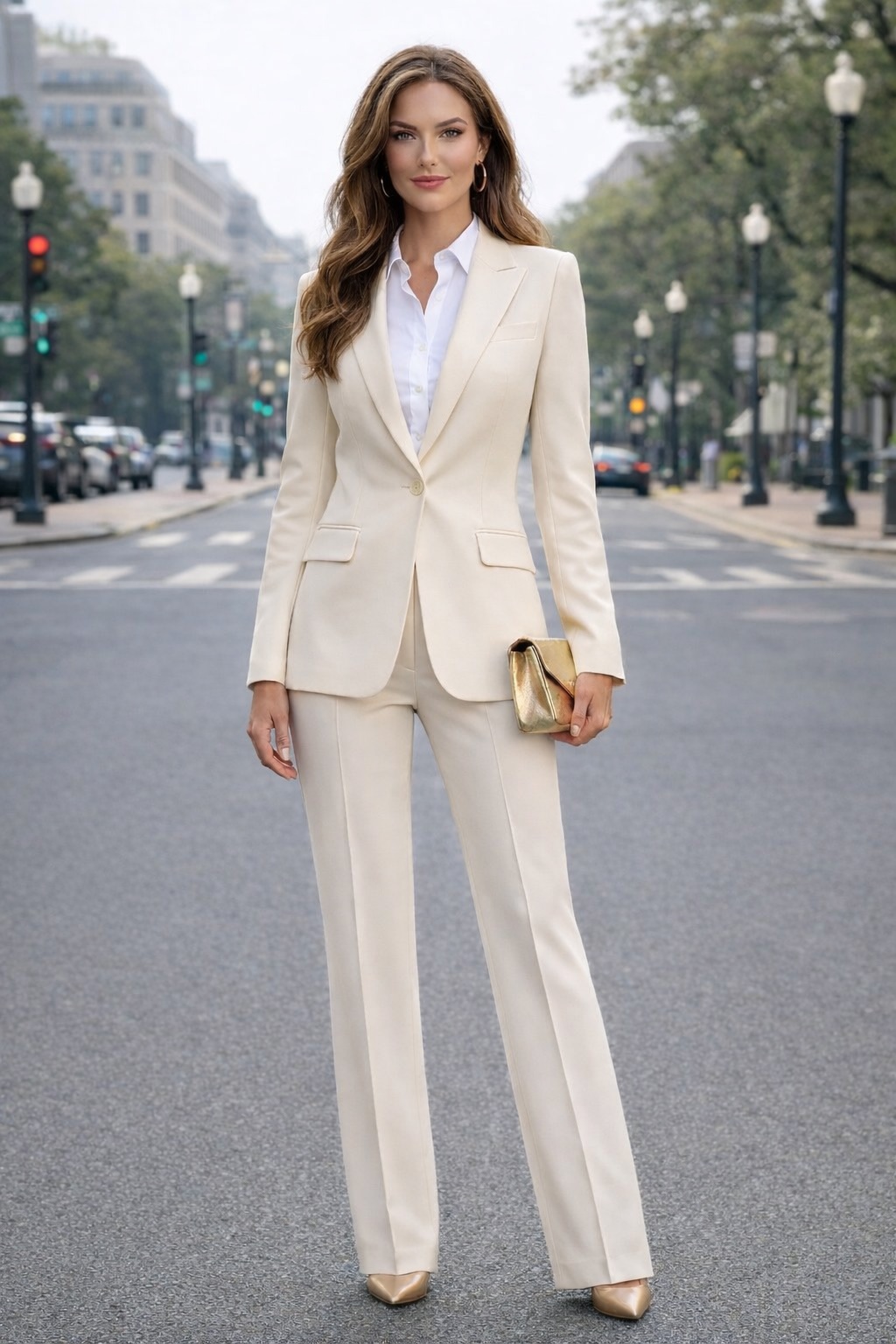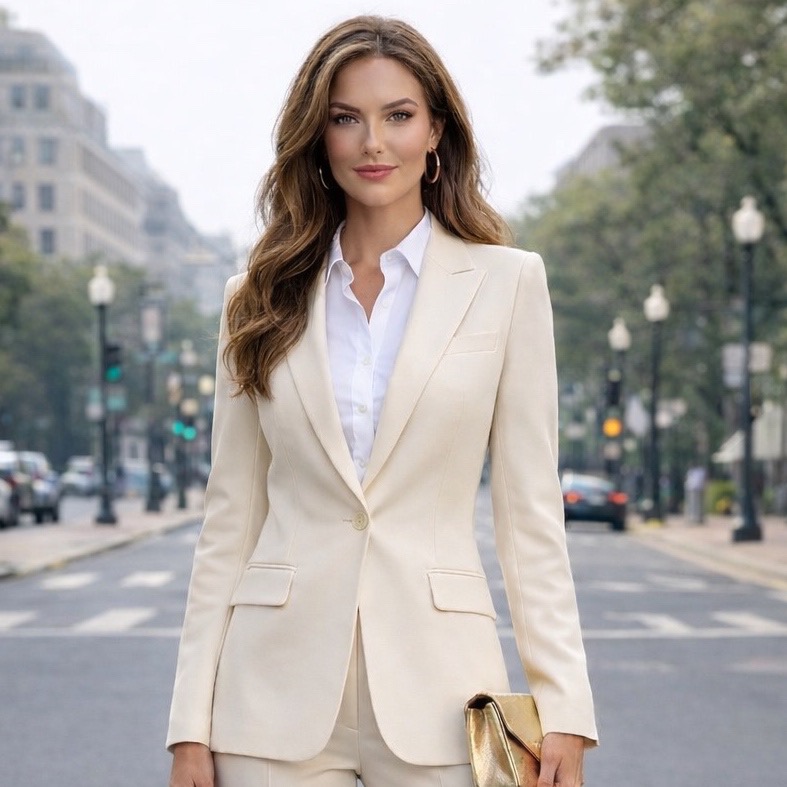
Clothing rarely fails all at once. The change is gradual. Fabric softens, surfaces lose clarity, and structure becomes less defined. Pieces that once looked composed begin to feel slightly off, even when they are still wearable.
This is often blamed on wear, but the outcome is usually determined before the garment is ever worn. Fabric controls how a piece ages, how it responds to movement, and whether it maintains its original shape and clarity through wear.
Why Fabric Is the First Decision
Fabric is not a detail. It is the foundation.
It determines how a garment hangs, how it moves, how it responds to a full day of wear, and how it looks after repeated use. Two pieces can appear identical when new, yet perform very differently over time.
The difference between clothing that lasts and clothing that doesn’t is rarely obvious at first glance. It becomes clear through use.
What Actually Defines a Good Fabric
Fabric quality comes down to two things: what it’s made of, and how it’s built.
What it’s made of
Fiber matters, but not in isolation.
Wool is naturally resilient and tends to hold its shape well, which is why it performs reliably in trousers and tailored pieces. Cotton is breathable and versatile, but only when it has enough substance to maintain structure. Silk, when blended thoughtfully, can improve movement without weakening the fabric. Synthetic fibers can add stretch or stability, but often at the expense of how the surface ages over time.
Material influences how a garment feels and behaves, but it does not determine performance on its own.
How it’s built
Equally important is how the fabric is constructed.
Some fabrics are compact and substantial. Others are light and loosely structured. This difference determines whether a garment holds its shape or gradually loses it.
Denser fabrics tend to:
- maintain a cleaner line
- resist wrinkling
- recover more effectively after movement
Lighter, less structured fabrics often:
- feel soft immediately
- lose definition with wear
- begin to look tired more quickly
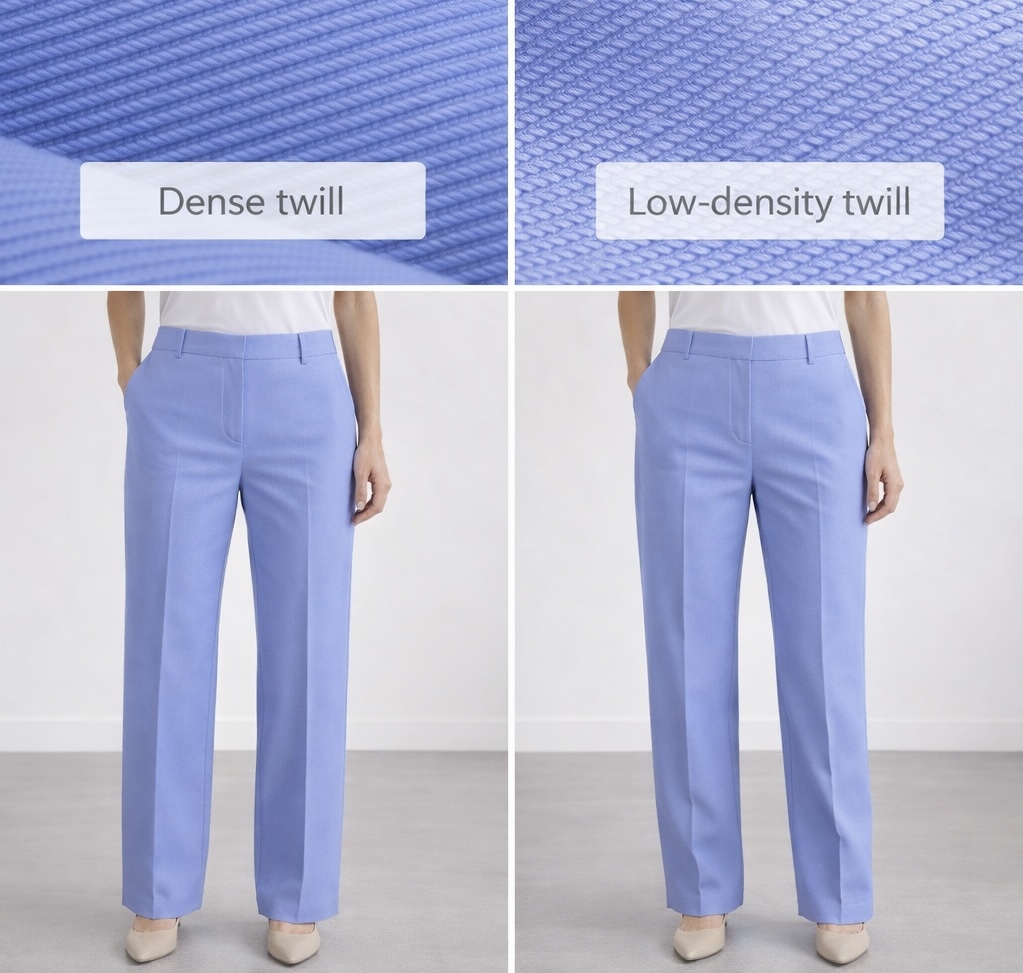
With the same cut, fabric density largely determines how well the shape holds.
This is why two garments made from the same fiber can perform very differently. One holds its shape throughout the day. The other starts to look worn before the day is over.
These same standards are used to evaluate every category, including trousers.
How to Tell if a Fabric Will Last
You do not need technical knowledge to evaluate fabric. The signals appear consistently across categories and are easiest to see in structured pieces like trousers.
Look at the surface
A clean, smooth surface will age better than one that already appears fuzzy or uneven. Early softness can signal that the fabric will break down more quickly.
Check how it handles light
Hold the fabric up to light if possible. If it appears thin or slightly transparent, it is less likely to maintain its shape over time. A more substantial fabric feels grounded rather than delicate.
Watch how it holds a line
Look at the crease, the front of the leg, and the structure through the body of the garment. A good fabric supports a clean line without effort. A weaker one begins to soften or lose definition quickly.
Notice the weight
A fabric does not need to be heavy, but it should feel stable. The goal is not thickness, but substance. Fabrics that feel insubstantial are less likely to perform over time.
Pay attention to movement
When the fabric moves, it should do so cleanly. It should follow the shape of the garment without collapsing or rippling excessively. This is one of the clearest indicators of how it will look after hours of wear.
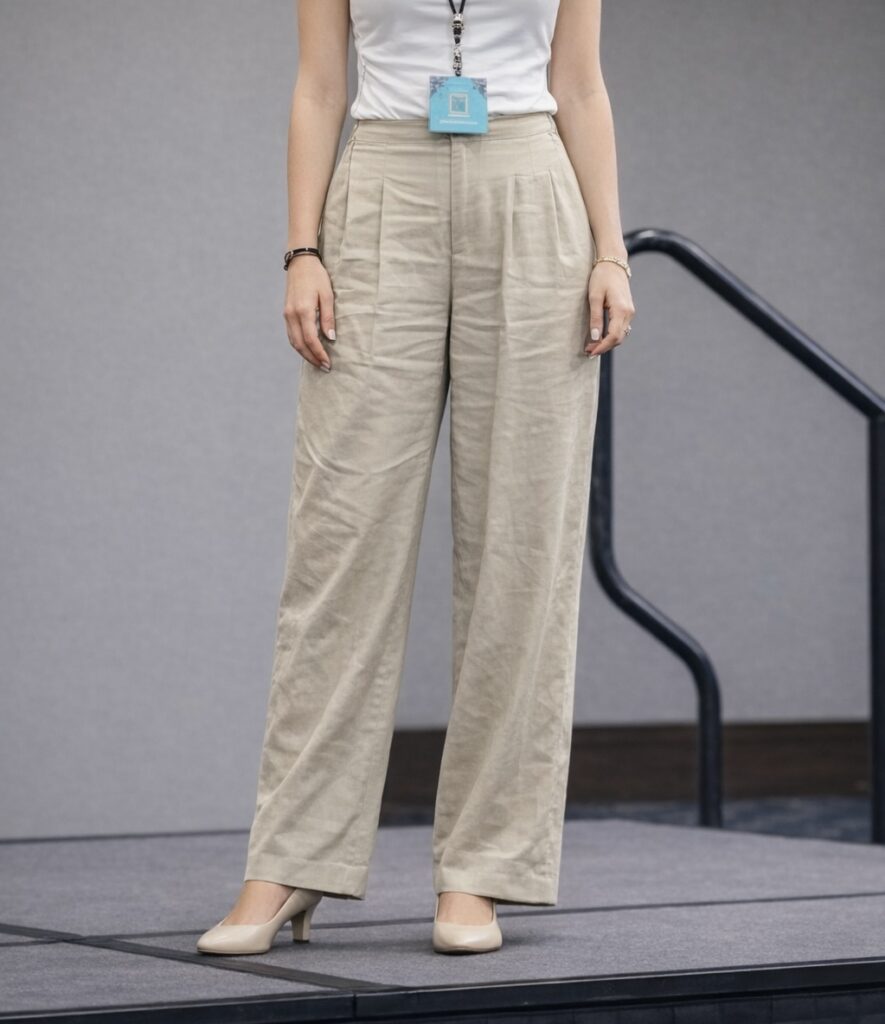
Where Most Fabrics Fall Short
Many garments are designed to feel appealing at first, not to perform over time.
Common issues include:
- fabrics that are overly soft from the start
- materials too lightweight to hold structure
- finishes that create a polished look initially but fade quickly
- blends that prioritize stretch or comfort over stability
Fabric that feels immediately comfortable is often optimized for first impression rather than long-term use.
How This Applies Across Your Wardrobe
The same principles apply across every clothing category.
In trousers, fabric determines whether the leg maintains its shape throughout the day. In coats, it controls drape and whether the garment continues to look structured after repeated wear. In knitwear, it affects whether the surface stays clean or begins to pill and lose clarity. In shirts, it influences opacity, durability, and how the fabric responds to movement.
Once you understand how fabric behaves, these differences become easy to see.
Why This Matters
Fabric determines whether a garment continues to look right under normal use.
It affects whether you reach for something repeatedly, whether it still looks composed after a full day, and whether it earns a permanent place in your wardrobe over time.
Most buying mistakes are not about style. They are about fabric.
Clothing that performs well does not depend on careful handling or occasional wear. It continues to look polished through regular use.
That outcome is built into the fabric from the beginning.
Learning to recognize that difference changes both what you buy and what you keep.